

 30/09/2026 17:32:18
Key Takeaways
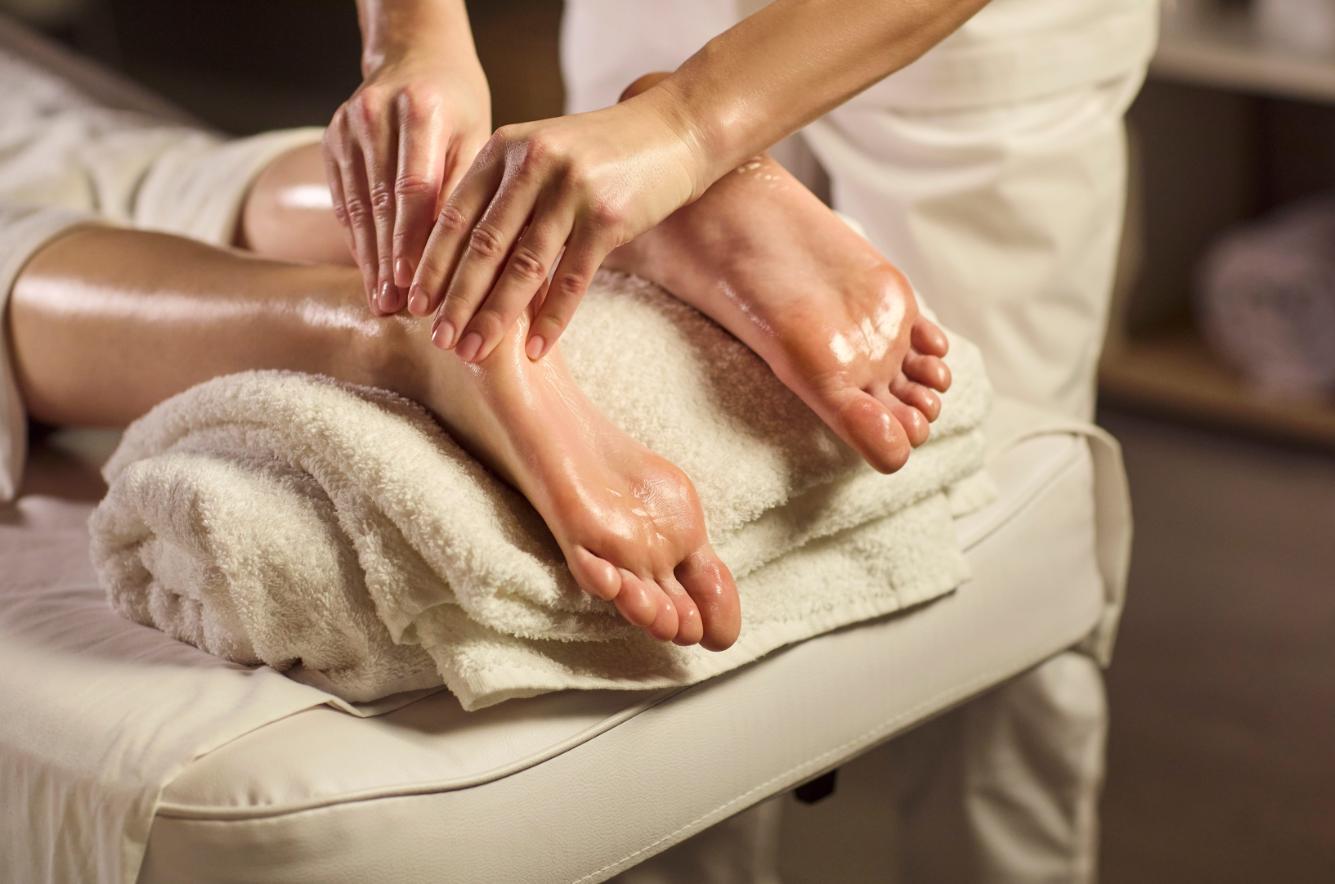
Have you ever had tired, achy feet after an entire day of activity? A Thai foot and leg massage is among the most favored methods for relaxation among travelers and residents, incorporating pressure, stretching, and rhythmic motions to alleviate tension in the lower body. It is especially helpful after a long day of exploring Bangkok’s temples, markets, and shopping centers.
Understanding the leg massage techniques involved can make the treatment feel less unfamiliar, especially for first-time guests. This guide explains what the treatment includes, the full leg massage techniques therapists commonly use, and how leg massage for relaxation compares with other wellness options in Thailand.
Thai foot and leg massage is a traditional wellness treatment that combines pressure, kneading, and stretching along the feet, calves, and lower legs. It draws on Thai wellness traditions alongside broader Asian bodywork practices, including reflexology, the practice of applying pressure to specific points on the feet, which has roots in traditional Chinese and Ayurvedic medicine.
Traditional theory describes energy lines, known as sen lines, running through the body, and therapists apply pressure to points on the feet believed to connect with these lines. These ideas are part of Thailand's wellness heritage rather than a modern anatomical map, which gives the treatment its traditional character.
At a spa, the treatment usually takes place in a reclined chair or on a treatment bed, often with warm oil or balm to ease the strokes.
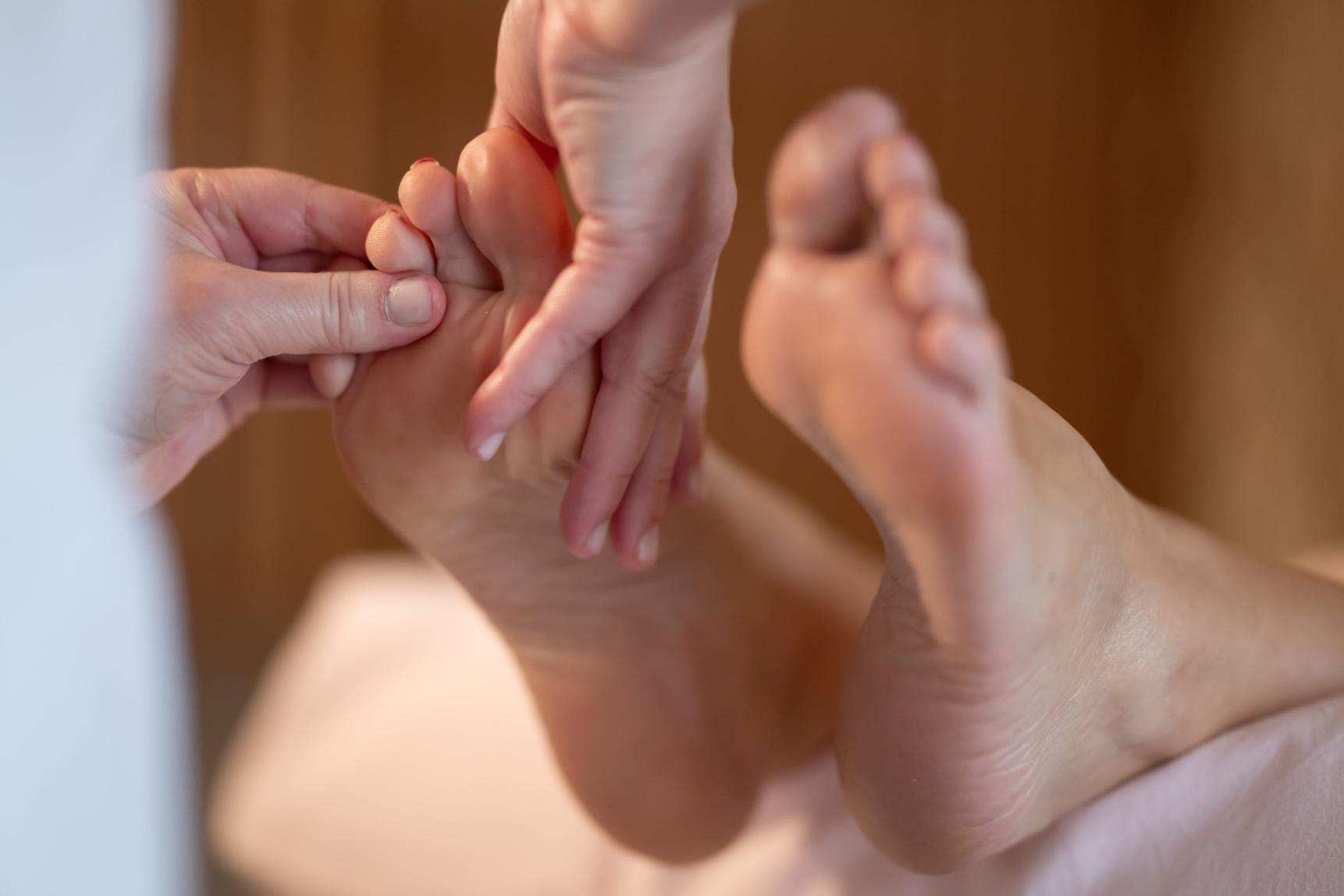
A typical full leg massage techniques session follows a similar sequence at most Thai spas, though pacing and pressure vary by therapist and guest preference.
Any of these situations can make leg massage for relaxation a natural fit within a regular self-care routine.
A foot or leg massage may not be appropriate in all cases; guests should delay treatment and consult a physician if they experience pain, swelling, warmth, or redness in one leg. These may indicate the presence of a blood clot, such as deep vein thrombosis, a condition necessitating immediate medical intervention, and it is inadvisable to massage the area suspected of containing a clot.
A fever, a recent leg injury, or recent surgery are also valid reasons to consult a doctor prior to scheduling an appointment. Individuals undertaking long-haul travel face an increased risk of leg blood clots during flights lasting four hours or more, thus anyone experiencing persistent leg pain or swelling after extended travel should consult a medical professional prior to scheduling a massage.
Fatigued feet are an inevitable aspect of a trip to Bangkok. Typically, they emerge at the conclusion of an extended day of exploration, following all the adrenaline and excitement.
A traditional Thai foot and leg massage addresses accumulated tension by applying focused pressure on the soles, deep kneading of the calves, and gentle stretching to promote a sense of lightness. At Health Land, our Thai foot massage treatment can be adjusted based on how your feet and legs feel that day.
Include recovery in your travel plans and discover the benefits of Thai foot massage at Health Land Spa & Massage. Visit any one of our branches across Bangkok, Pattaya, and Chiang Mai. Walk-ins are welcome, and online reservations are available daily from 9:00 a.m. to 11:00 p.m.
References
Q: What is a Thai foot and leg massage?
A: Thai foot and leg massage is a traditional treatment that combines pressure, kneading, and stretching along the feet, calves, and lower legs to ease tension and support relaxation.
Q: What are the full Thai foot and leg massage techniques explained step by step?
A: A typical session moves through five stages. It starts with warm-up strokes gliding from the toes toward the ankle, then pressure point work using the thumbs across the sole and top of the foot. Next comes kneading and compression along the calves, followed by gentle assisted stretching of the ankle and lower leg. The session finishes with slower closing strokes to help the body settle.
Q: What are the benefits of Thai foot massage?
A: Many guests choose Thai foot massage for relaxation and to ease tired feet and legs after walking or standing for long periods. Research on massage after physical activity suggests it may help reduce muscle soreness, though individual results vary.
Q: Who is leg massage for relaxation best suited for?
A: Leg massage for relaxation can suit travelers who have spent the day walking, office workers with stiff calves from sitting, and anyone who prefers a gentler treatment than a full-body Thai massage.
Q: When should I postpone a foot or leg massage?
A: Postpone treatment and speak with a doctor if you notice leg pain, swelling, warmth, or redness in one leg, or if you have a fever, a recent leg injury, or recent surgery.




Share With :