

 30/09/2026 17:27:09
Key Takeaways
Warm, soothing, and often listed side by side on spa menus, Thai herbal ball massage and hot stone massage are easy to mix up. Both use heat to ease tired muscles, so at a glance they can seem interchangeable. Look a little closer, though, and they part ways on almost everything that shapes how a session actually feels. Getting to grips with herbal ball massage vs hot stone massage, from the kind of warmth to the technique behind it, makes it far easier to pick the one that matches what you are after.
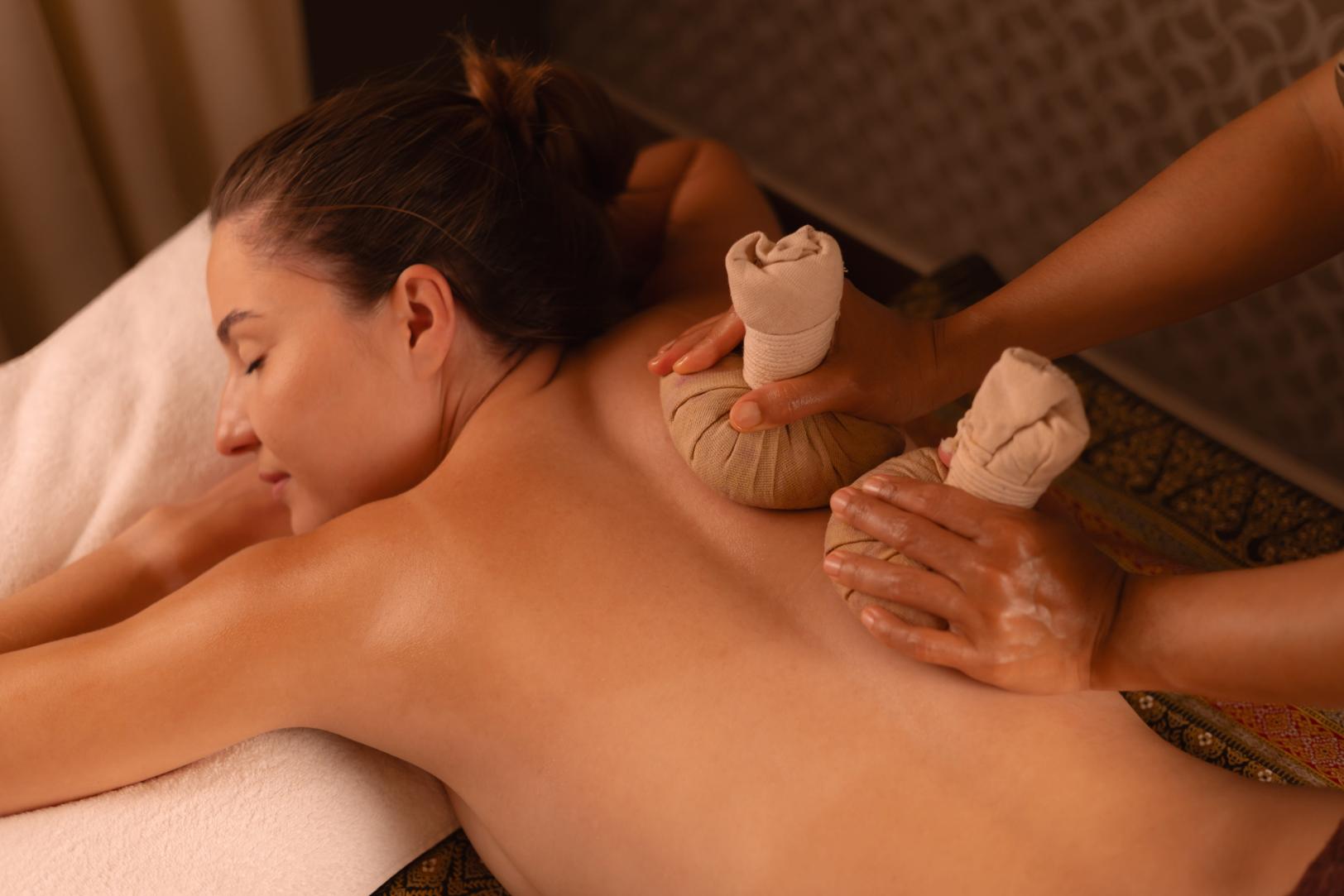
Thai herbal ball massage, known in Thai as luk pra kob, uses a cloth compress packed with steamed herbs. The therapist warms the compress, then presses and rolls it along the body, often as part of a traditional Thai massage. The result is a blend of gentle heat, herbal aroma, and rhythmic pressure.
Traditional Thai herbal compresses are filled with aromatic herbs. Common ingredients include plai, turmeric, lemongrass, and camphor, which give the compress its distinctive scent as the steam releases their natural oils. The moist heat is meant to feel soothing on tired, stiff muscles, and the aroma adds a calming quality to the session.
Hot stone massage takes a different route to warmth. Smooth basalt stones are heated, placed on key areas of the body, and glided over the muscles with oil. Basalt is used because it holds heat well, so the warmth stays steady and even throughout the session.
The experience is usually slow and flowing. The deep, dry heat lets the therapist ease into tense muscles with lighter pressure than a firmer massage might need.
Both treatments rely on heat, but almost everything else sets them apart. Here is a side-by-side look.
| Feature Herbal Ball Massage Hot Stone Massage | ||
| Tool | Steamed herbal compress | Heated basalt stones |
| Type of heat | Moist, herbal heat | Dry, radiant warmth |
| Sensory feel | Aroma and rhythmic pressing | Smooth, gliding motion |
| Technique | Often paired with Thai stretching and pressure | Slower, flowing strokes with oil |
For aching or stiff muscles, many people reach for herbal ball massage, where warmth and pressure work together on tired areas. There is some research behind the idea: in one study of people with knee osteoarthritis, Thai herbal compress eased pain and stiffness about as well as a common anti-inflammatory medication over three weeks. Findings like these are specific to certain conditions and do not apply to everyone, but they suggest the warm compress can be more than a pleasant experience.
Hot stone massage tends to suit general tightness and stress-related tension. Its steady warmth helps muscles loosen without heavy pressure, which appeals to people who want a gentler, warming session rather than deep, targeted work.
If deep calm is the goal, a hot stone massage is hard to beat. The slow rhythm and even heat make it well suited to winding down, easing fatigue, and settling the mind before rest.
Herbal ball massage is relaxing too, but in a more sensory way. The combination of warmth, herbal aroma, and rhythmic pressing feels soothing and gently refreshing at the same time, which some people prefer over a purely sleepy session.
Heat suits most people, but it is not right for everyone, so a little caution helps before you book either treatment. As a rule, it is worth checking with a doctor first if any of the following apply to you:
Even without any of these, heat lands differently from one person to the next, so speak up during the session if anything feels too hot or uncomfortable. None of this is medical advice, so when in doubt, a quick word with a healthcare professional is the safest starting point.
Heat-based treatments layer well with hands-on massage, which is why many spas combine them rather than offering each in isolation. An herbal compress pairs naturally with traditional Thai massage or aromatherapy oil massage: the warmth and herbs work over the top of stretching and kneading, so the muscles are eased and warmed at the same time across a longer, more relaxing session.
Combining herbal ball and hot stone in a single treatment, though, is far less common. If the idea of layered warmth appeals to you, an herbal compress added to a Thai or oil massage delivers a similar sense of deep heat and comfort without needing stones at all.
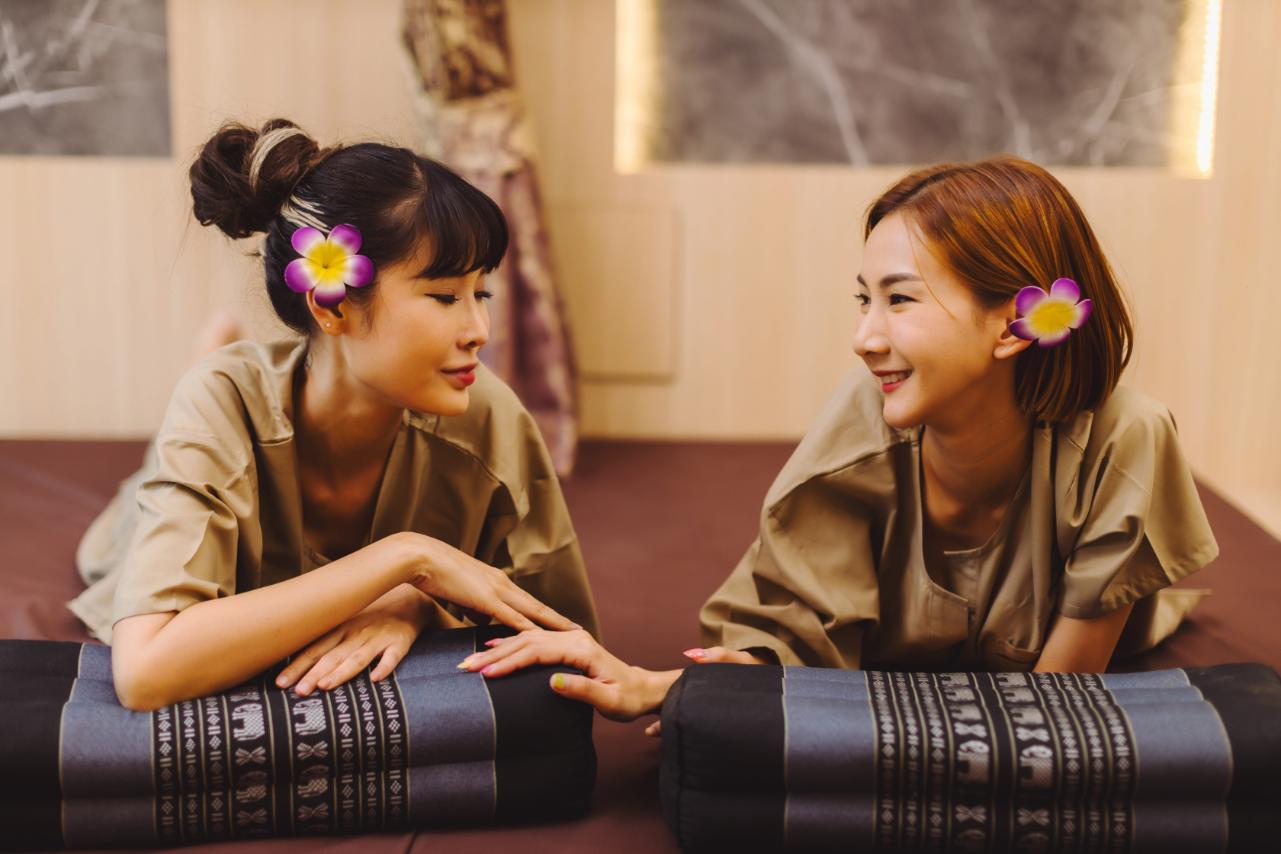
Health Land's menu features Thai Massage with Herbal Compress, which brings together traditional Thai techniques and a steamed herbal compress in one session. The same warm compress can also be added to an Aromatherapy Body Massage if you prefer oil-based work with the herbal heat on top. Either way, the compress uses a traditional blend of aromatic Thai herbs, steamed and pressed along the body.
With more than 20 years in traditional Thai wellness and trained therapists working in clean, calm rooms, Health Land is a comfortable place to try the treatment. Travelers in the north can book a Thai herbal massage in Chiang Mai, alongside branches in Bangkok and Pattaya. Sessions run daily from 9:00 a.m. to 11:00 p.m., walk-ins are welcome, and booking a day ahead is wise for weekends and busier evenings.
Book your next wellness treatment at Health Land and experience the warmth of traditional Thai herbal compress massage for yourself. Reserve your time at reservation.healthlandspa.com.
References
Q: Thai herbal ball massage vs hot stone massage, which is better?
A: Neither is better overall; it comes down to what you want from the session. For sore, stiff muscles, herbal ball massage combines heat, herbs, and pressure. For deep relaxation and better rest, hot stone massage offers slow, steady warmth. Your scent and pressure preferences can help settle the choice too.
Q: Which is safer, a Thai herbal ball or a hot stone massage?
A: Both are generally safe when done by a trained therapist at a comfortable temperature. The main shared risk is the heat itself, so either one is best avoided during pregnancy, over inflamed or injured areas, or with certain heart, circulation, or skin conditions. When in doubt, check with a doctor first and tell your therapist about any health concerns.
Q: Do you keep your clothes on during a Thai herbal ball massage?
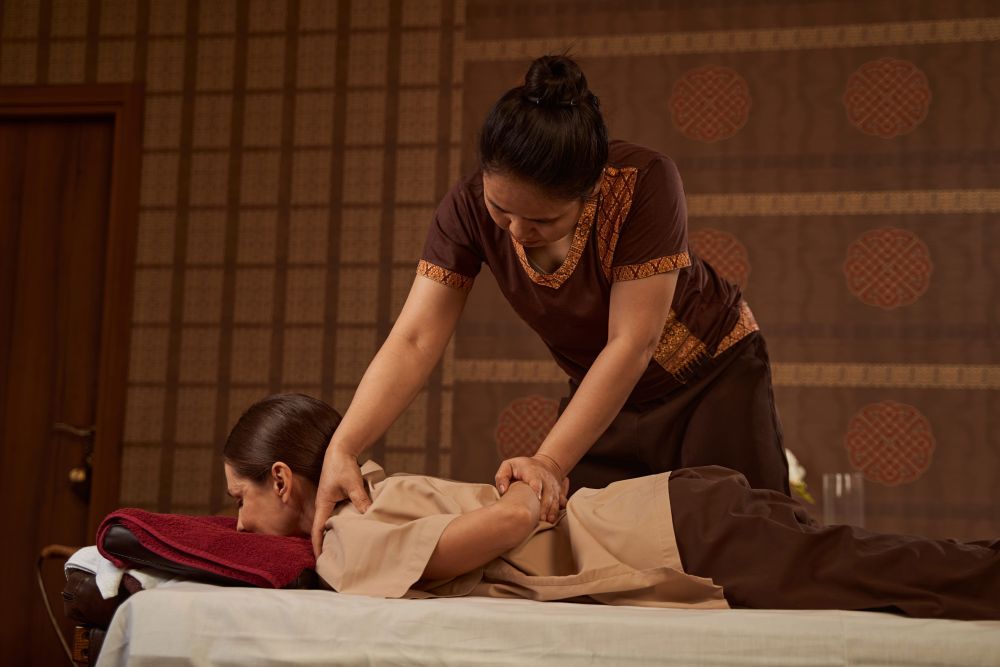
A: Usually, yes. Herbal ball massage is often paired with traditional Thai massage which is done in loose, comfortable clothing and without oil. That is one practical difference from an oil-based treatment like hot stone massage, where oil is applied to the skin.
Q: How long does a Thai herbal ball massage take?
A: It is often a longer treatment, commonly around 90 minutes to 2 hours, which suits an unhurried visit. Session lengths vary from one spa to another, so check the options when you book.




Share With :