

 30/09/2026 17:36:17
Key Takeaways
Few things reset the body like a good massage, and almost every style promises the same reward: a calmer mind and looser muscles. Swedish and Thai massage are two of the most popular ways to get there, yet they feel worlds apart in practice. One glides over the muscles with oil; the other works through pressure, compression, and stretching. Understanding how the two compare makes it much easier to pick the style, or the treatment, that suits what your body is asking for.
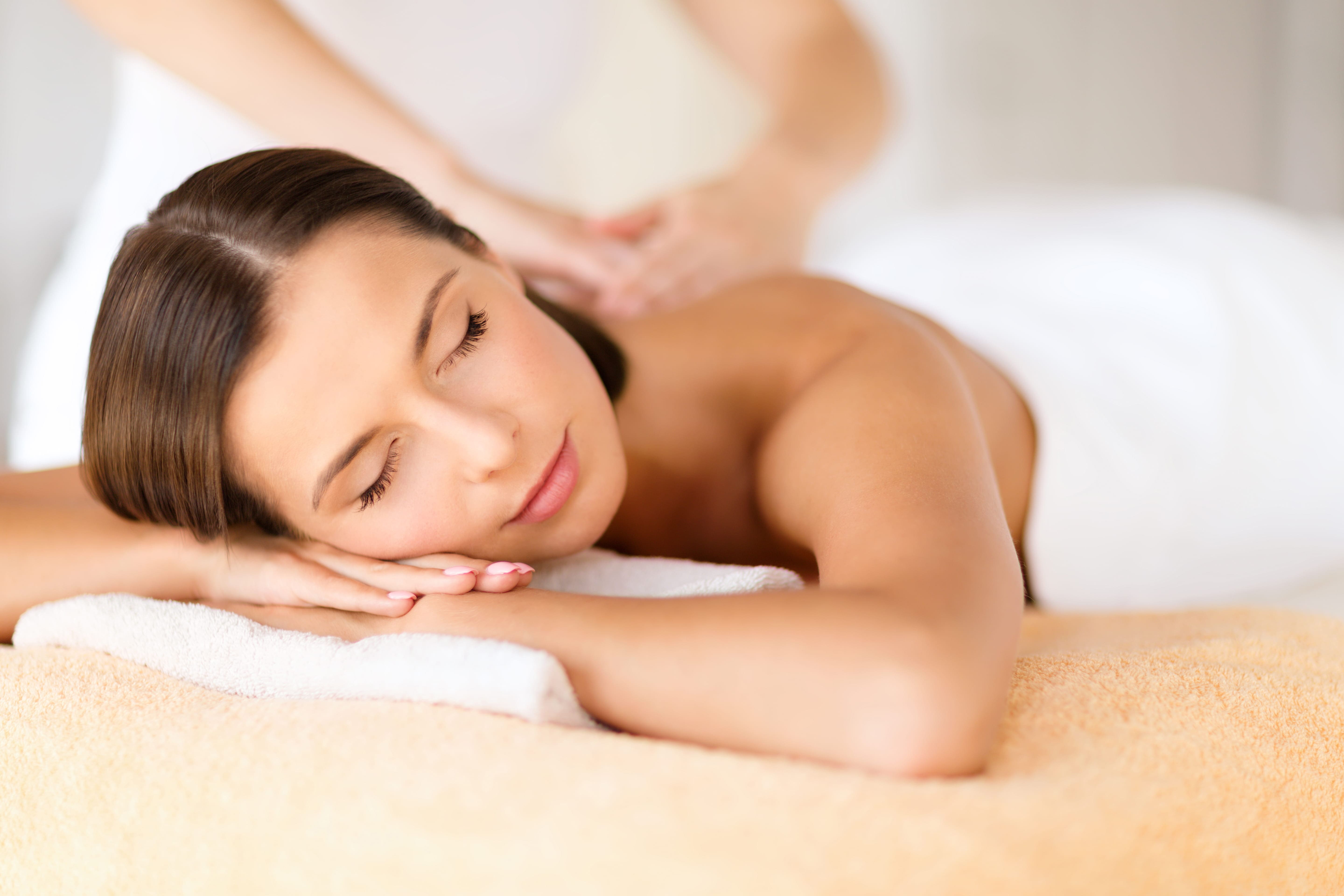
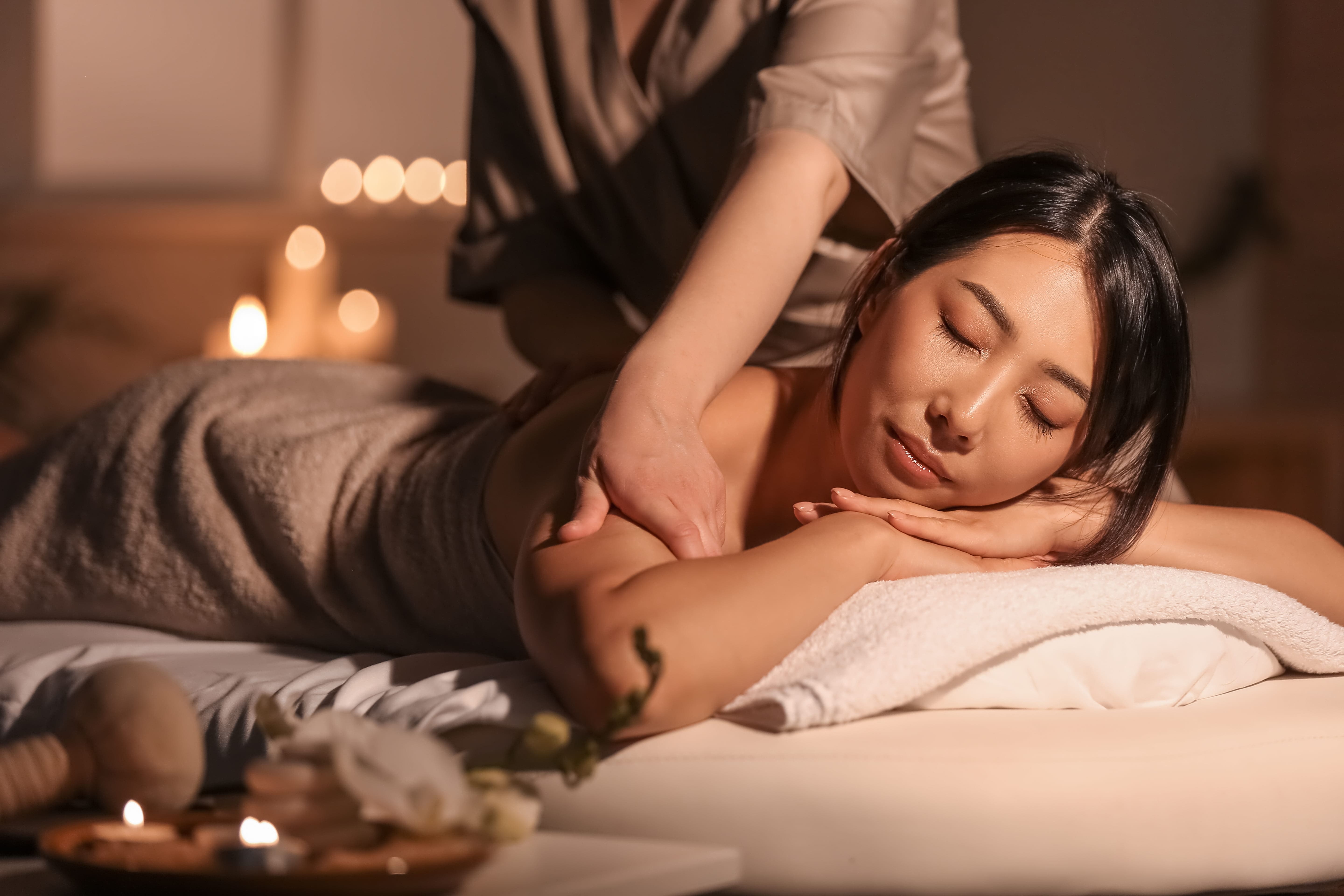
Swedish massage is the classic Western style most people picture when they think of a spa massage. It uses long, flowing strokes, kneading, and circular movements, with gentle to moderate pressure, usually on a massage table with oil or lotion so the hands glide smoothly. A session moves through a few core techniques, gliding strokes to warm the muscles, kneading to work through tension, and lighter friction, all at a pace meant to calm the body rather than challenge it. A full session usually runs from about 60 to 90 minutes, long enough for the therapist to move slowly across the whole body without rushing any single area.
The benefits of Swedish massage center on relaxation and gentle, all-over comfort rather than deep, targeted work, which is part of why it is so often recommended for a first massage. People commonly notice a calmer, more settled feeling, relief for lightly tense muscles, and support for circulation and more restful sleep. With the pressure kept light to moderate, a session leans toward whole-body calm rather than working out stubborn knots, though results vary from person to person.
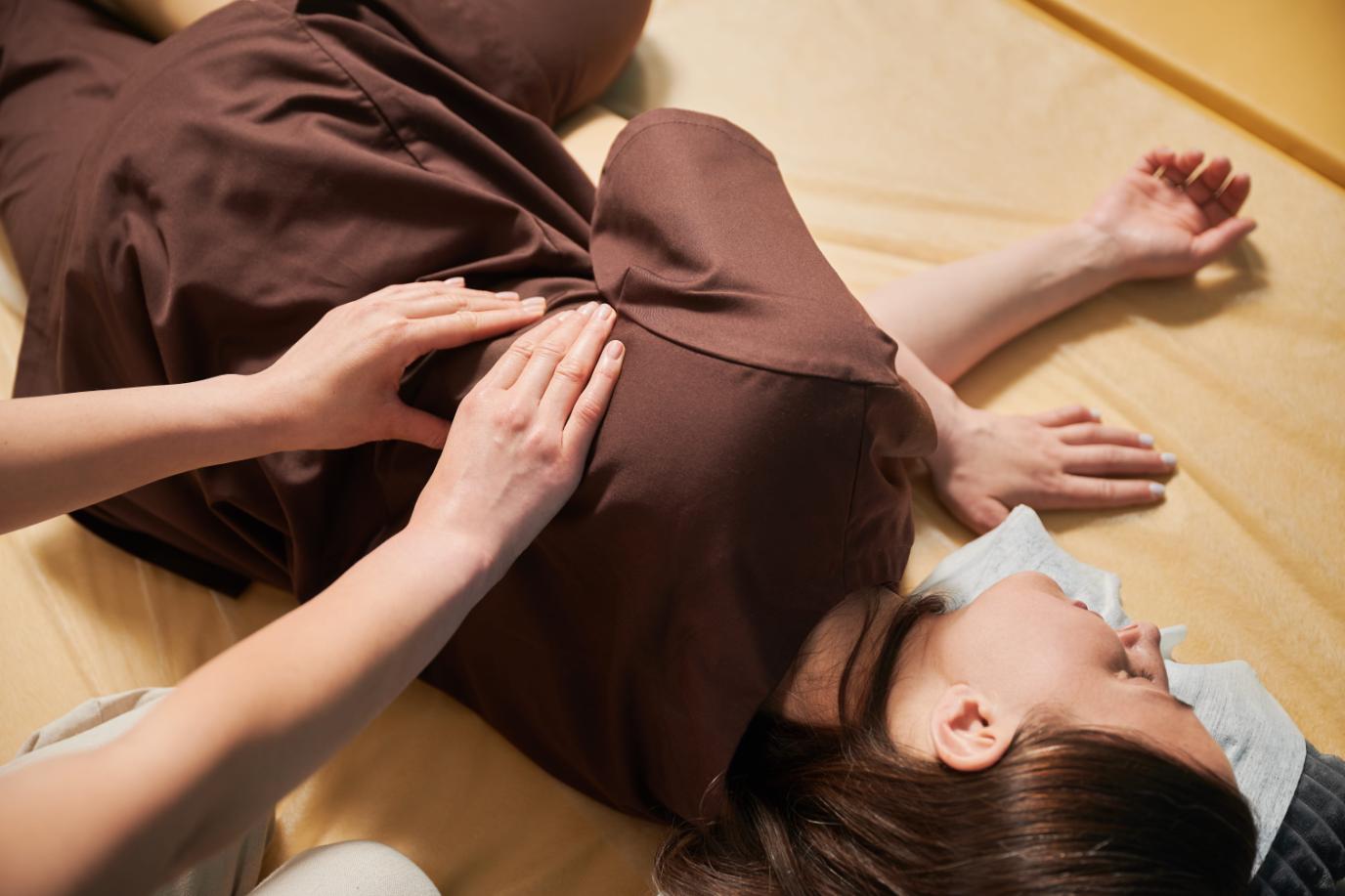
Traditional Thai massage takes a very different approach. It is usually performed without oil, on a mat, with the guest in loose, comfortable clothing. Instead of gliding strokes, the therapist uses rhythmic pressure, compression, and assisted stretching, sometimes described as yoga-like. The style is more active and can feel firmer than a Swedish massage, working the body through movement as well as pressure.
Thai massage originates from a rich heritage of Thai wellness, where practitioners frequently focus on the sen lines, or energy pathways, often feeling the gentle pressure and subtle warmth along these routes. It’s useful to consider these as a traditional framework indicating where pressure is applied, rather than a scientifically verified anatomical map. As the therapist carefully leads the body into stretches, many people liken the sensation to someone softly easing their muscles.
As for what it is good for, Thai massage is often chosen to ease muscle tightness and stiffness, and the assisted stretching may leave you feeling looser and more mobile afterward. Many people find the mix of pressure and movement both relaxing and energizing, which makes it a popular way to recover after long days of sitting, walking, or traveling.
Side by side, the two styles differ in almost everything except the goal of leaving you relaxed. The table below breaks down where they part ways, from the setup in the room to how the session actually feels.
| Feature Swedish Massage Thai Massage | ||
| Setting | Massage table, oil on the skin | Floor mat, clothed, no oil |
| Pressure | Gentle to moderate | Firm, with assisted stretching |
| Technique | Long, flowing strokes and kneading | Pressure, compression, and stretching |
| Stretching | Little to none | A core part of the session |
| Best for | Gentle relaxation and first-timers | Tightness, stiffness, and mobility |
| Feel | Soft and soothing | Active and energizing |
In short, the core benefit of a full-body Swedish massage is gentle, whole-body relaxation, while Thai massage offers an active, therapeutic reset.
The right choice depends on your physical needs and comfort preferences on the day.
If you’re still unsure, tell your therapist if your primary aim is passive relaxation or active movement, and they can adjust the pressure accordingly. There is no rule saying you must pick just one; many people use gentle oil work during lighter weeks and turn to Thai massage when stiffness builds up, which is often the best way to learn what works for your body.
Massage suits most people, but not every situation. It is best to check with a doctor first if any of these apply:
Some situations call for a gentler, modified approach rather than skipping massage altogether, including pregnancy, severe joint injuries, acute muscle strains, and certain spinal conditions. A qualified therapist can adapt the session.
This is general information rather than medical advice, so speak with a healthcare professional if you are unsure.
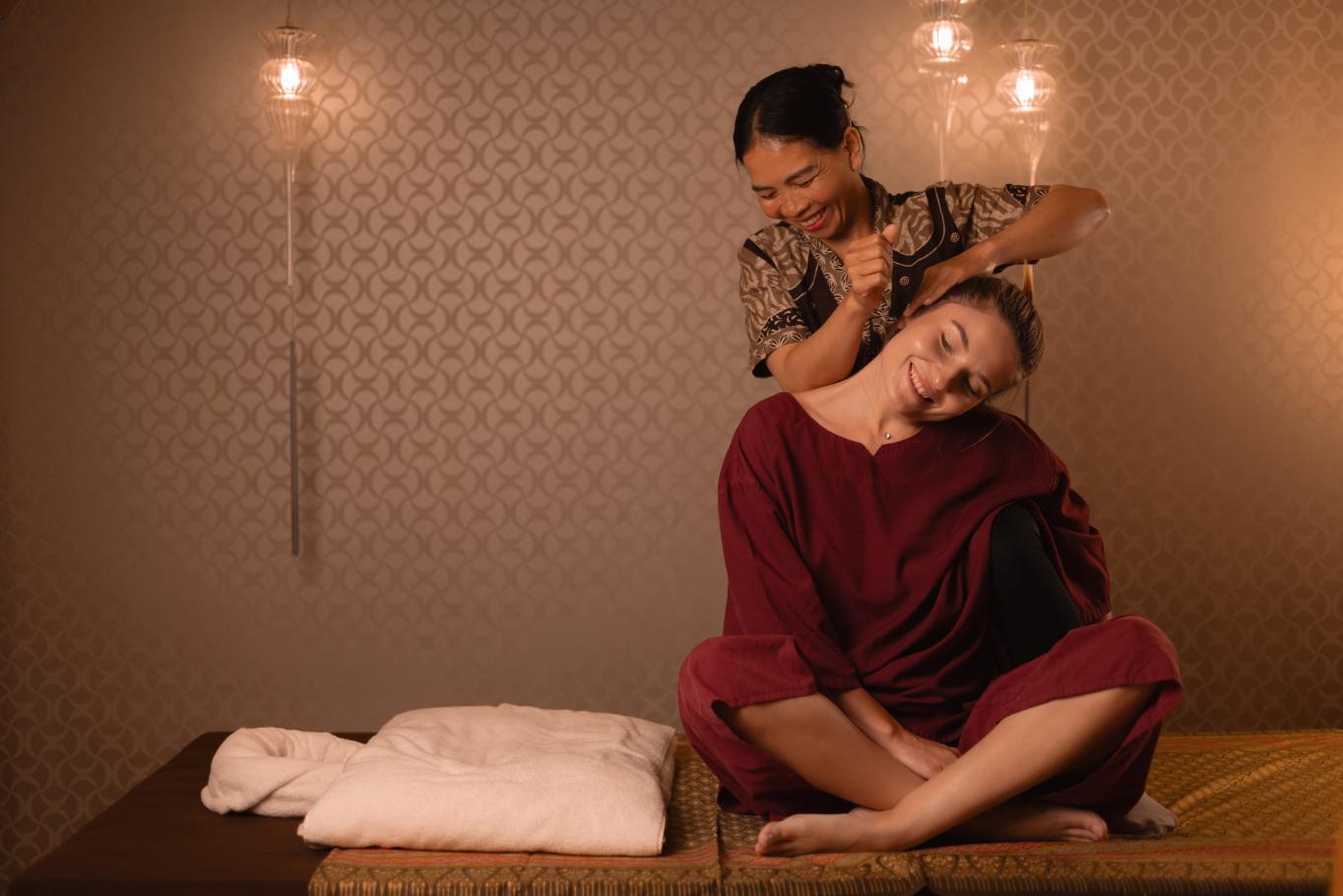
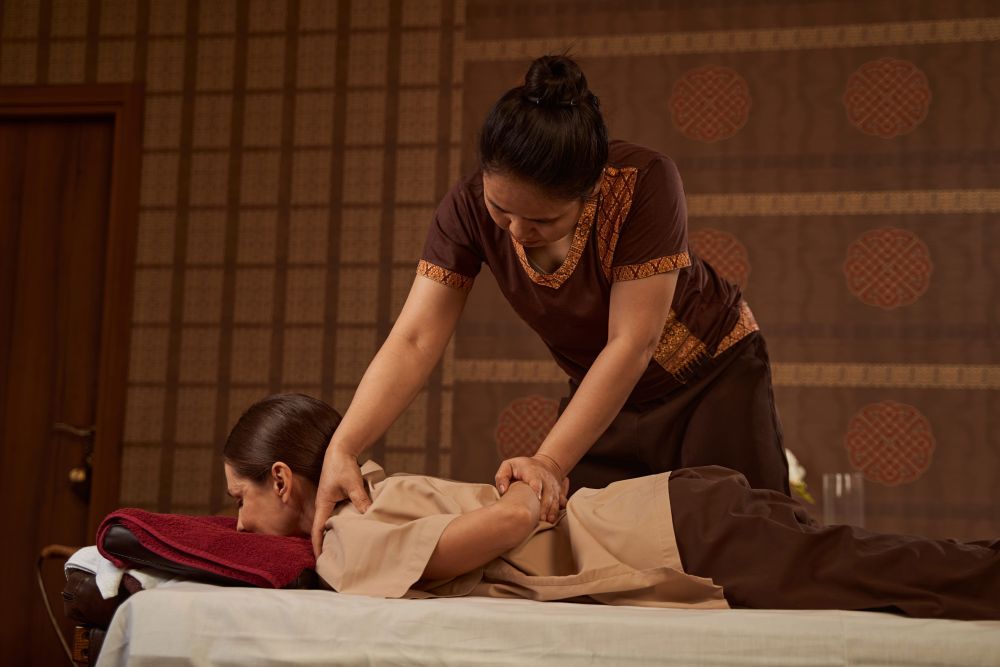
When Thai massage is what you are looking for, Health Land is your go-to place to book an appointment. The brand has built its name on Thai wellness over more than 20 years, so a traditional Thai massage here comes from therapists who work with it every day, in calm, spotless rooms designed for taking your time.
For the gentle, oil-based feel closer to a Swedish massage, the Aromatherapy Body Massage is the closest fit on the menu. It works fragrant oils into slow, soothing strokes that ease tension and calm the mind, a Thai take on a relaxing oil massage. You can also combine the two in a massage package for a longer visit. All branches in Bangkok, Pattaya, and Chiang Mai are open daily from 9:00 a.m. to 11:00 p.m. Walk-ins are welcome, though weekends and evenings are best booked ahead.
Book your massage today to enjoy an unhurried hour of Thai wellness, and reserve your preferred time at reservation.healthlandspa.com.
References
Q: Why choose Swedish massage or Thai massage as a first-timer?
A: Both can suit a first massage. Swedish is gentle and oil-based, which feels familiar and easy for beginners, while Thai massage is firmer and includes stretching. Either works for a first visit, as long as you ask the therapist to keep the pressure comfortable.
Q: What Is Swedish Massage and Thai Massage Good For?
A: Both are used mainly for relaxation, but in different ways. Swedish massage suits stress relief, easing mild muscle tension, and gentle unwinding, while Thai massage is often chosen to loosen stiffness, support mobility, and give a more active, energizing session.
Q: Do Swedish and Thai massages use oil?
A: Swedish massage is oil- or lotion-based, so the hands glide smoothly over the skin. Traditional Thai massage is usually done without oil, on a mat, with the guest in loose, comfortable clothing.
Q: Which is better for sore muscles, Swedish or Thai?
A: Swedish massage can ease light tension and leave muscles feeling looser, while Thai massage, with its pressure and stretching, may suit deeper stiffness. For heavy, targeted muscle work, a firmer treatment often helps most.




Share With :