


 06/01/2026 11:08:51
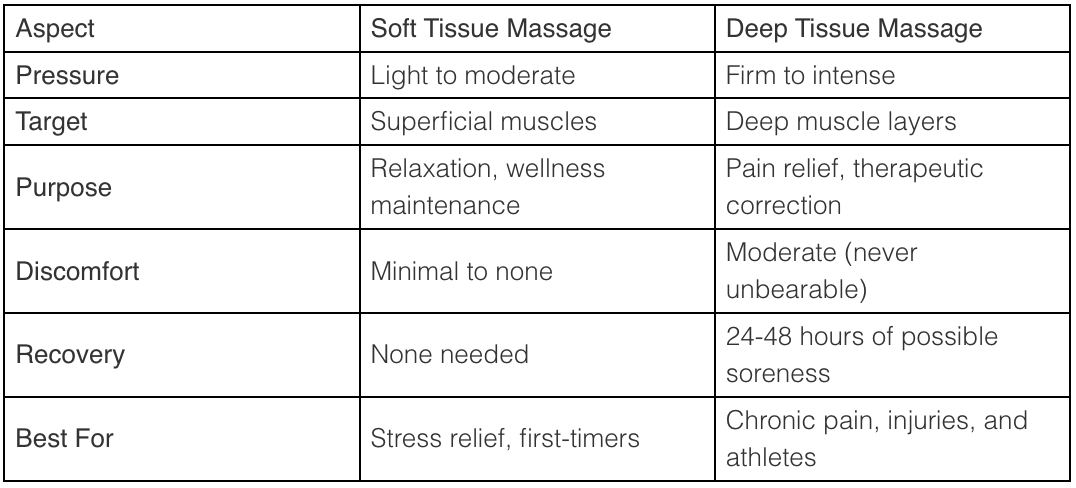
When it comes to choosing massages, there’s a common dilemma: soft tissue massage or deep tissue massage?
Most would think massages are only effective with more pressure, but is that truly the case? The truth is, deeper isn't necessarily better. Understanding what each approach offers and which aligns with your body's needs empowers you to make confident decisions about your therapeutic care.
Soft tissue massage and deep tissue massage represent distinct therapeutic philosophies, each delivering specific benefits through different mechanisms. Neither approach is superior; they simply serve different wellness goals.
At Health Land Spa, our therapists have perfected both techniques over 20+ years of practice, often blending them within traditional Thai massage frameworks.
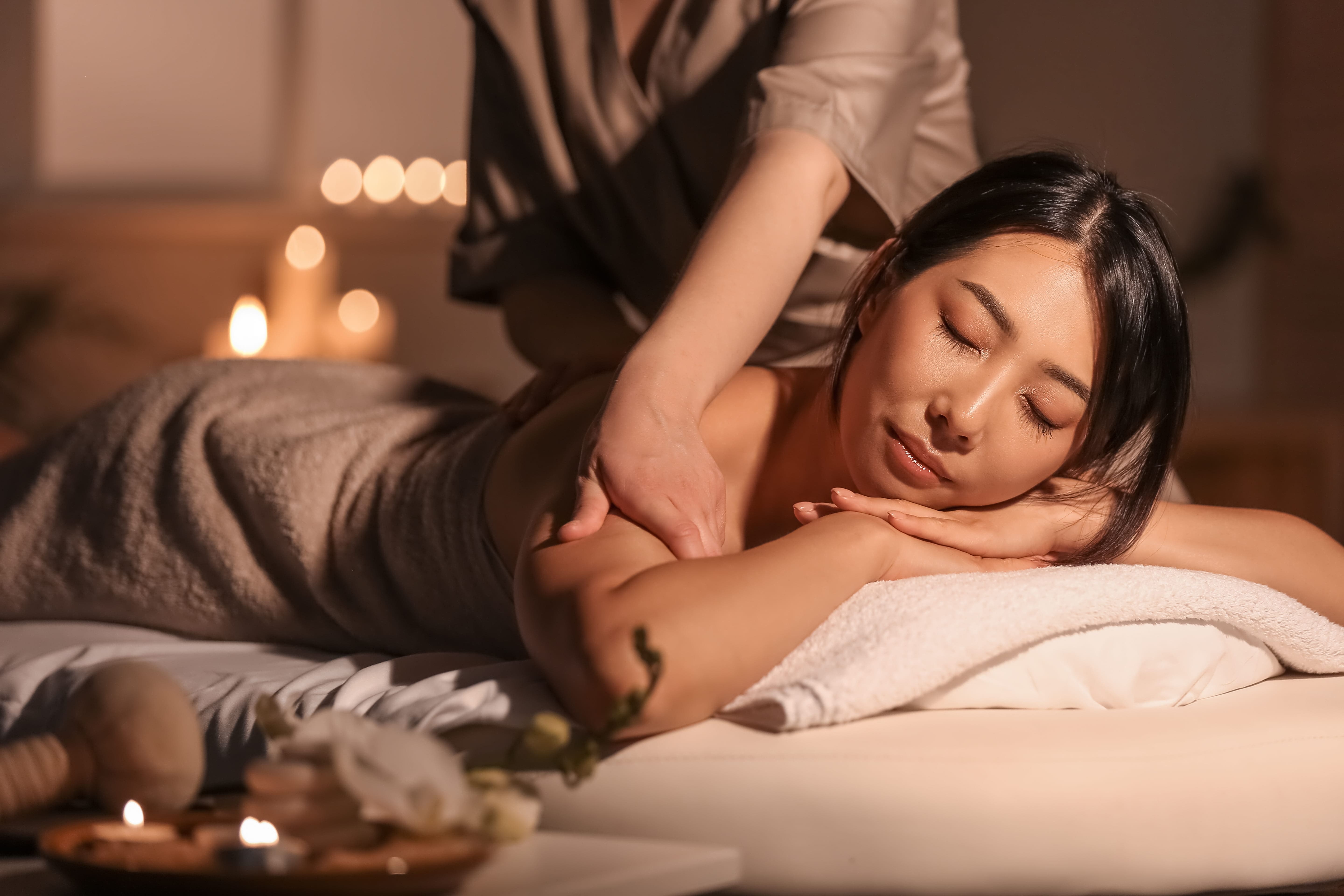
Soft tissue massage applies gentle to moderate pressure on the superficial layers of muscle, fascia, and connective tissue. Rather than forcing change in deep muscle structures, this approach works with your body's natural relaxation response. Think of it as coaxing tension away rather than pushing it out.
Therapists use flowing techniques like effleurage (gliding strokes), petrissage (kneading), gentle stretching, and light lymphatic drainage movements. These rhythmic motions trigger your parasympathetic nervous system—your body's "rest and digest" mode—allowing muscles to release tension naturally.
The physical benefits include enhanced blood circulation, reduced muscle tension and stiffness, improved flexibility, faster recovery from minor strains, and toxin elimination through lymphatic stimulation. These effects happen because improved circulation delivers oxygen while removing metabolic waste.
Mental and emotional benefits are equally powerful. Soft tissue massage reduces stress and anxiety through multiple mechanisms: physical touch releases oxytocin, gentle pressure lowers cortisol, and parasympathetic activation shifts you out of fight-or-flight mode. This leads to improved sleep quality, enhanced mood through endorphin release, and better mental clarity.
Deep tissue massage applies firm to intense pressure targeting the deepest layers of muscle tissue, tendons, and fascia. This approach addresses chronic dysfunction and specific problem areas through sustained pressure on trigger points, cross-fiber friction, and active release techniques.
The philosophy emphasizes correction and rehabilitation. Therapists work systematically through layers of tissue, releasing adhesions and breaking up scar tissue that restricts movement and causes pain. This requires anatomical knowledge and careful communication between therapist and client.
The therapeutic benefits of deep tissue massage include chronic pain relief for the back, neck, and shoulders through the breakdown of muscle knots and adhesions; improved mobility in problem areas; and postural correction. Research also shows that deep tissue work reduces inflammation, lowers blood pressure, decreases stress hormones, and enhances athletic performance and recovery.
Traditional Thai massage philosophy recognizes that healing requires both gentle encouragement and firm intervention.
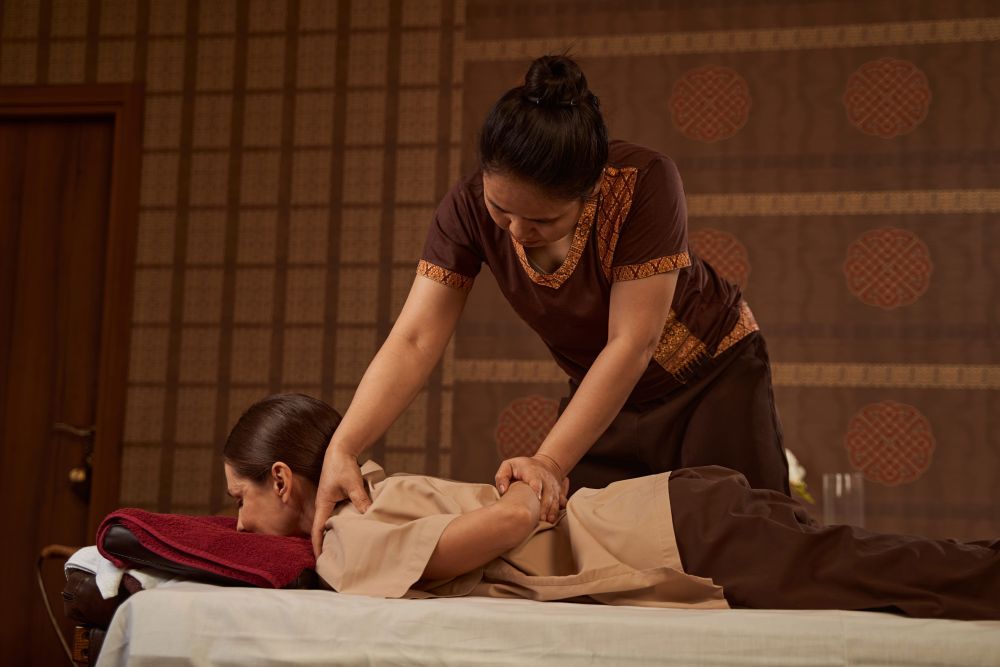
Soft tissue work, achieved through gentle stretching, forms the foundation. These yoga-like movements improve flexibility while calming the nervous system. Meanwhile, deep tissue elements are incorporated into pressure point therapy, which addresses blockages along energy lines called "meridians" or "sen." Therapists use palms, thumbs, feet, and elbows to apply sustained pressure, releasing chronic tension.

Your session begins with a consultation where you'll discuss wellness goals, current discomfort, and pressure preferences. During treatment, communication is essential. Let your therapist know if the pressure feels too intense or if you need adjustments. Therapeutic discomfort from deep tissue work should feel like "good pain" (intense but satisfying), but never sharp or burning.
After your massage, rest if possible and drink plenty of water to help flush metabolic waste. Soft tissue massage requires no recovery time, while deep tissue work may cause 24-48 hours of muscle soreness similar to post-workout sensation.
Deep tissue involves therapeutic discomfort, but it should never be unbearable. The sensation should feel satisfying, like stretching tight muscles. Always communicate with your therapist about pressure.
Soft tissue massage typically provides superior stress relief because it focuses on nervous system regulation. The gentle approach triggers deeper parasympathetic activation than aggressive muscle work.
Absolutely. Your needs change in response to stress levels and activity. Many people benefit from alternating between soft and deep tissue massage—gentle work for regular maintenance with occasional deep sessions when specific problems arise.
Both soft tissue massage and deep tissue therapy offer powerful benefits through different mechanisms. The "best" choice depends entirely on your current needs, wellness goals, and body's condition. Rather than following trends about what massage "should" feel like, listen to what your body actually needs.
At Health Land Spa, our therapists understand the delicate balance between relaxation and healing. Whatever your choice, we expertly combine different techniques to create the perfect treatment. Book your appointment for a rejuvenating Thai massage spa in Chiang Mai today.





Share With :