

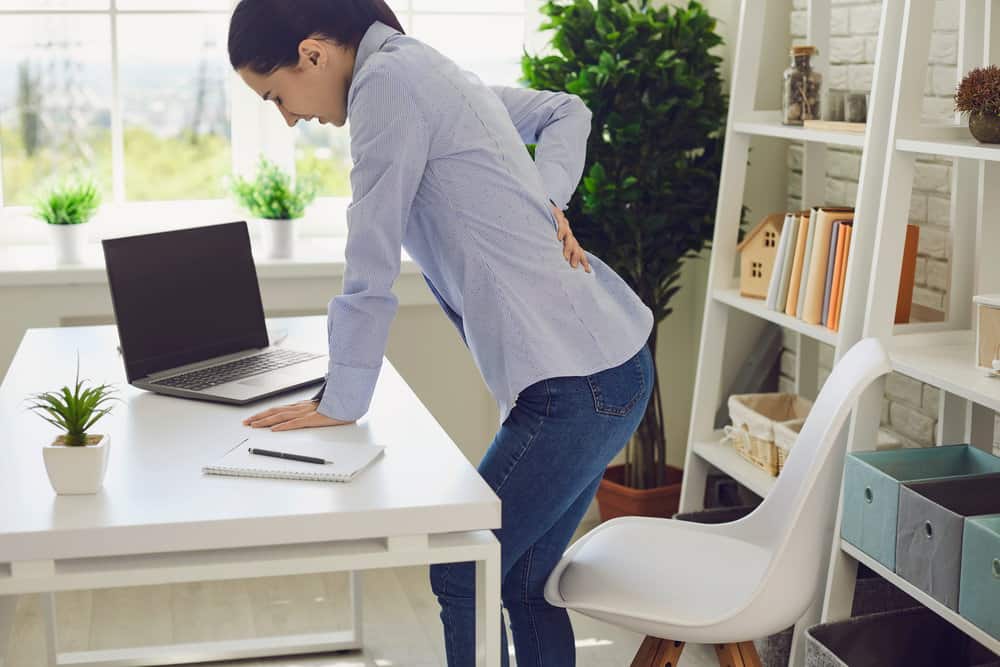
 05/02/2026 18:01:50
Key takeaway / Summary of topic answer
Back pain during sleep often stems from poor sleep positions, using the wrong mattress or pillow, and daily habits like prolonged sitting or slouching that stress the spine. Using a medium-firm mattress, choosing the right pillow, sleeping on your side or back with proper support, and maintaining healthy movement and posture habits can help prevent discomfort. When pain occurs, home remedies such as cold and heat therapy, gentle movement, strengthening exercises, and therapeutic massage can provide quick relief.
Have you ever woken up with a sore, stiff back? It can completely ruin your day.
If you deal with back pain when sleeping, you're not alone. Making a few changes to your sleep habits and how you care for your body can help you wake up feeling better.
Keep reading to find out why you might be getting back pain after sleeping, how to prevent back pain, and what you can do at home to feel better fast.
Your sleeping position can affect your spine. If your spine isn't lined up well at night, your muscles have to work harder, which can leave you feeling stiff and sore in the morning.
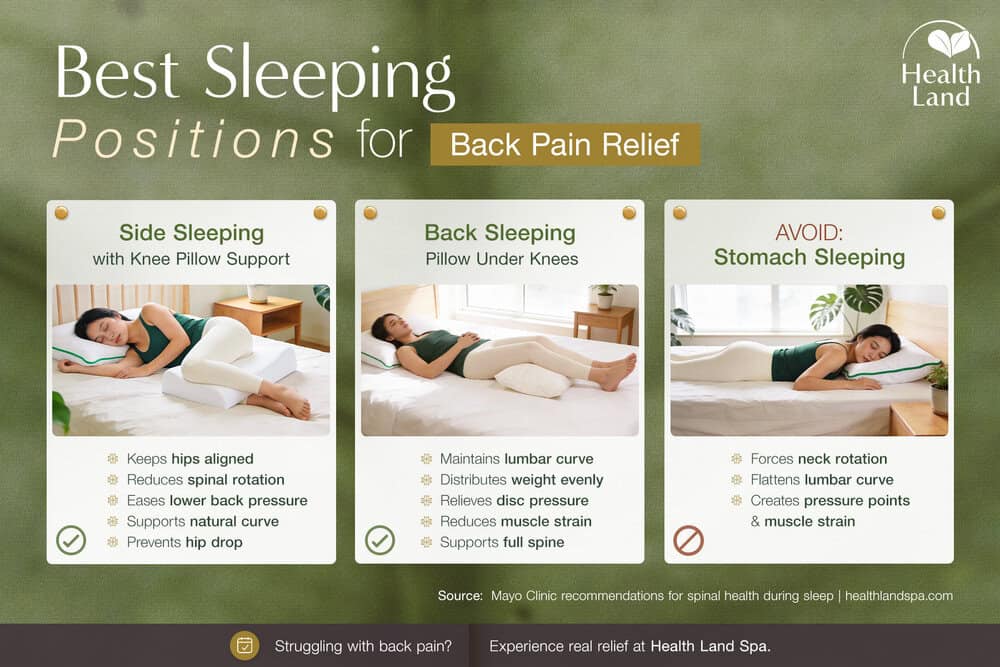
Sleeping on your stomach, for example, twists your neck and flattens the natural curve in your lower back. This puts pressure on your muscles and joints for hours.
Choosing the wrong mattress or pillow can also affect your spine.
If your mattress is too soft, your hips can sink in. If it's too firm, you might feel pressure in certain spots.
Meanwhile, a pillow that's too thick can push your neck forward, while a flat pillow might not give you enough support.
Most mattresses start to lose support after 7 to 10 years. If your mattress is old, it could be making your back pain worse.
Habits like sitting for long periods, slouching, or not moving enough can tighten your hip flexors and weaken your core, which affects your back.
Use these tips so you can prevent back pain:
For most people, a medium-firm mattress gives a good balance.
It's soft enough to cushion pressure points but firm enough to keep your spine in line.
Memory foam and hybrid mattresses are also good choices because they adjust to your body.
When choosing a pillow, consider your usual sleeping position:
• If you sleep on your side, use a thicker pillow to fill the space between your shoulder and neck.
• If you sleep on your back, a thinner pillow will help keep your head in a neutral position.
There are two sleeping positions that help reduce strain on your lower back:
• Sleeping on your side with a pillow between your knees keeps your hips aligned and prevents your spine from twisting.
• Sleeping on your back with a pillow under your knees supports the natural curve of your lower back and relieves pressure on your discs.
If you usually sleep on your stomach, changing your position can take time. Try placing a body pillow along your front to help you stay on your side at night.
Do:
• Do gentle stretches before bed to release tension (hip flexor stretches, cat-cow movements, knee-to-chest pulls).
• Set up your workspace to support good posture with your feet flat on the floor and the monitor at eye level.
• Take short movement breaks throughout the day to prevent muscle tightness.
Don't:
• Don't eat heavy meals within two hours of bedtime. Digestion can increase inflammation.
• Don't sit for long periods without moving.
• Don't slouch or hunch over your desk, as poor daytime posture affects your sleep.
A strong core helps protect your spine, even while you sleep. Just ten minutes a day can make a big difference.
Here are exercises you can do throughout any ordinary day without any equipment needed:
• Planks – build overall core stability.
• Bird-dogs – strengthens lower back and improves balance.
• Bridges – targets glutes and supports the lumbar spine.
These tips can help you relieve back pain fast at home without using medicine:
• First 48 hours: Use cold therapy by wrapping ice in a cloth and applying it for 15 minutes to reduce swelling and inflammation.
• After 48 hours: Switch to heat therapy. Apply a warm compress or heating pad to ease tense muscles and increase blood flow.
• Keep moving: Avoid lying down for long periods of time, as it can worsen stiffness and slow your recovery. Try gentle movements like pelvic tilts, gentle supported twists, or take slow, short walks.
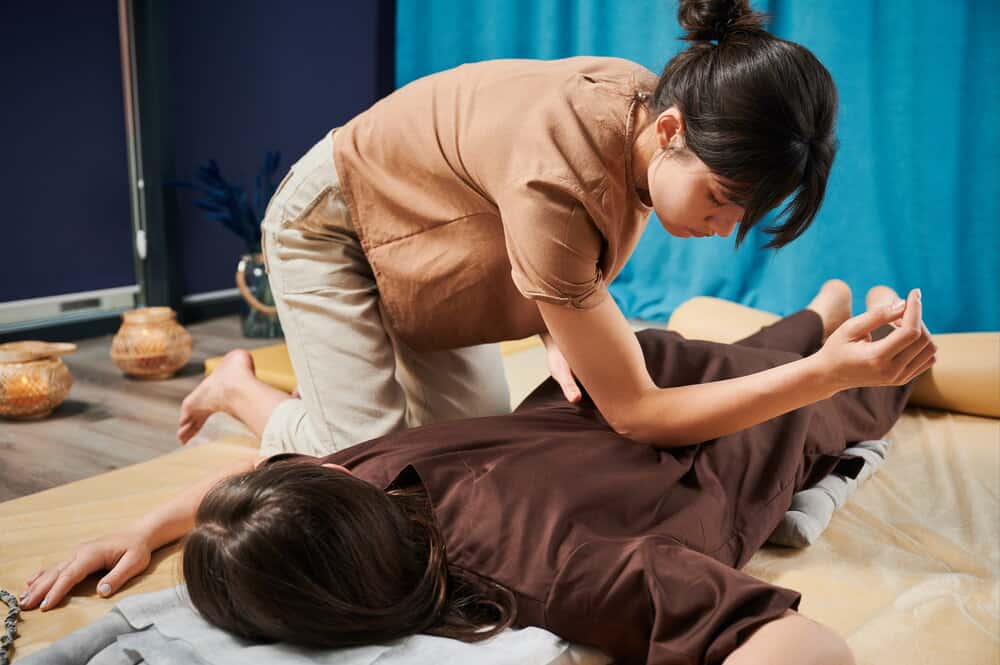
Getting a massage can help relieve muscle tension related to back pain that healthy habits alone may not resolve. Different types of massage offer different benefits:
• Deep tissue massage – breaks up tight spots and adhesions.
• Swedish massage – improves blood flow and promotes relaxation.
• Thai massage – combines stretching with pressure point therapy for full-body relief, helping with spinal mobility and deep muscle release.
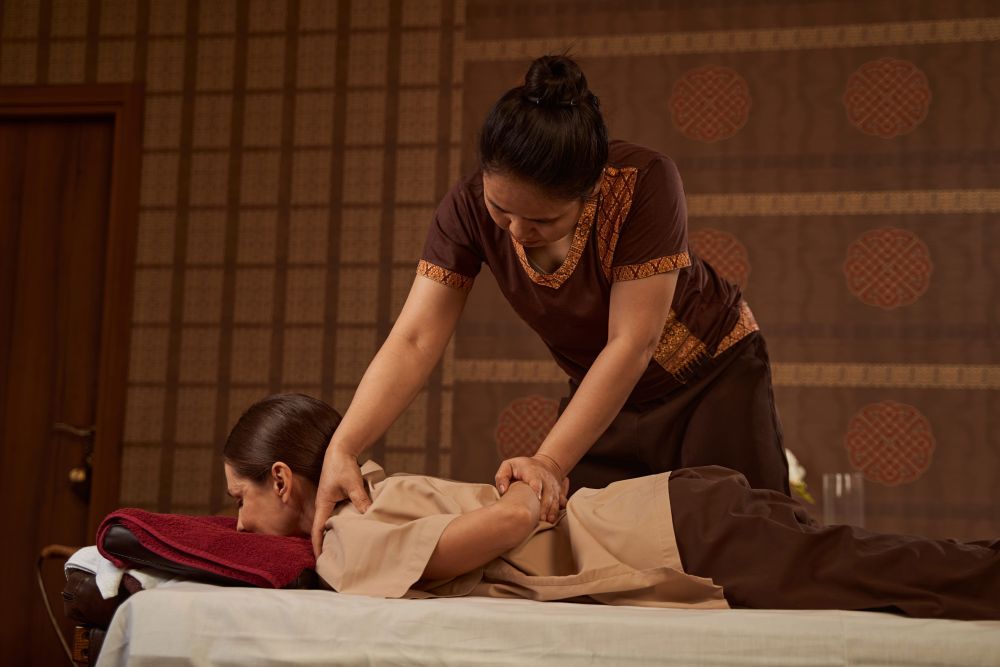
A full-body massage package can help you target the muscle groups that contribute to back pain, making it a great addition to your at-home routine.
A full-body massage package ensures every muscle group that could cause back pain receives attention. Look for a spa with experienced therapists and flexible scheduling that works for you.
Health Land has over 20 years of experience in Thai wellness and massage therapy. With multiple locations across Bangkok, Chiang Mai, and Pattaya, our trained therapists specialize in techniques that target spinal health and muscle tension.
During your session, let them know your pressure preferences and any problem areas. Our skilful therapists will focus on the lower back, glutes, and hip flexors, as these areas are most commonly associated with back pain.
See a doctor if you experience any of these symptoms:
• Pain that spreads down your legs
• Numbness or tingling sensations
• Bladder or bowel changes
• Pain lasting more than six weeks despite home care
The right mattress, better sleeping positions, daily movement, and simple stretches can all help you wake up feeling better. If pain does happen, home remedies and self-massage can help you recover.
However, if you need a deeper reset or ongoing support, a full-body massage package at Health Land can give your at-home efforts a professional boost. When combined with healthy sleep habits, regular massage helps you rest better and feel more comfortable, allowing you to live your days to the fullest. Experience lasting relief when you book your appointment at Health Land today.
References
1. A comparison of the effects of 2 types of massage and usual care on chronic low back pain: A randomized, controlled trial. Retrieved on 8 January, 2026 from https://doi.org/10.7326/0003-4819-155-1-201107050-00002
2.Superficial heat or cold for low back pain. Retrieved on 8 January, 2026 from https://doi.org/10.1002/14651858.CD004750.pub2
3.Sleeping positions that reduce back pain. Retrieved on 8 January, 2026 from https://www.mayoclinic.org/diseases-conditions/back-pain/in-depth/sleeping-positions/art-20546852
Q1: What sleeping position is best for back pain?
Sleeping on your side with a pillow between your knees or on your back with a pillow under your knees helps keep the spine aligned and reduces pressure.
Q2: Can a mattress really cause back pain?
Yes, mattresses that are too soft, too firm, or worn out can fail to support the spine properly, contributing to back pain.
Q3: How often should I replace my mattress to avoid back pain?
Most mattresses lose proper support after 7–10 years and may need replacing to prevent discomfort.
Q4: What can I do at home for fast back pain relief?
Cold therapy in the first 48 hours, followed by heat therapy, gentle movement, and light stretching, can help relieve pain quickly.
Q5: When should back pain be checked by a doctor?
Medical care is recommended if pain spreads down the legs, causes numbness or tingling, affects bladder or bowel function, or lasts more than six weeks.
Q6: What kind of exercises help reduce back pain from sleeping?
Strengthening core and back muscles with simple exercises like planks, bird-dogs, and bridges can support the spine and reduce pain.




Share With :