


 20/10/2026 16:39:54
Saunas have been a cornerstone of wellness for centuries, now featured in premier spas, gyms, and hotels globally. While the deep heat is relaxing on its own, following your session with a body scrub is the best way to elevate the experience. Once you understand the benefits of sauna therapy and how an exfoliating scrub enhances them, this powerful pairing becomes a must-try wellness ritual.
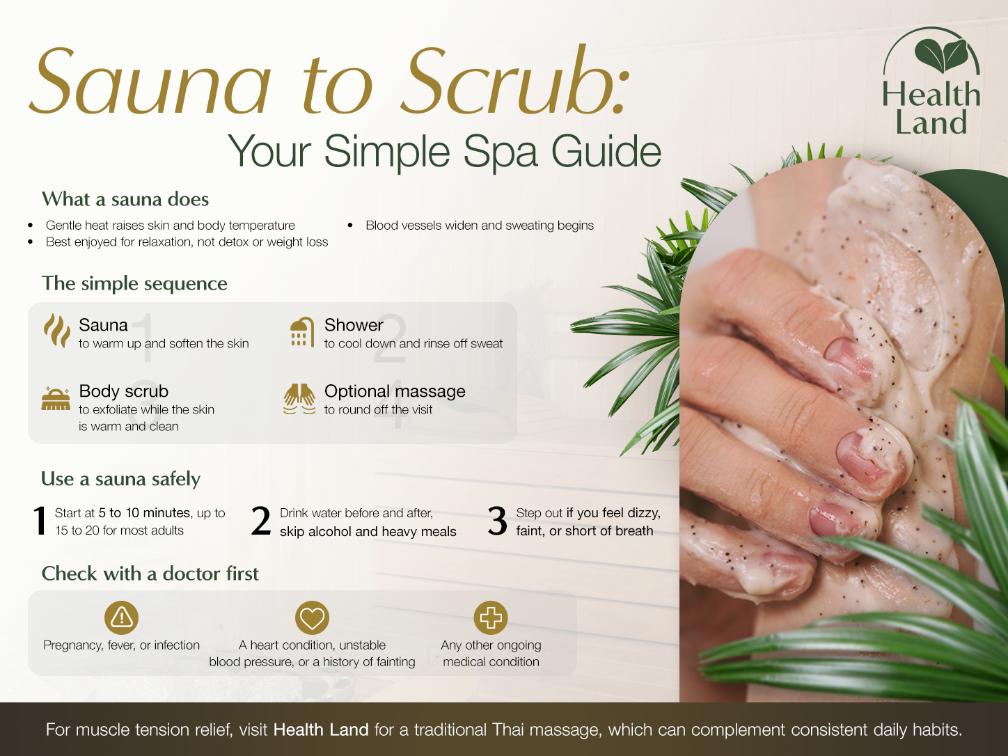
A sauna exposes the body to controlled heat that gently raises skin and core temperatures. In response, blood vessels widen, heart rate increases slightly, and sweating begins. The experience varies by style: traditional setups rely on high dry heat, infrared models operate at lower temperatures, and steam rooms introduce humidity.
Sweating primarily functions to control body temperature. It does not cleanse toxins, ignite fat, or serve as a substitute for medical treatment. The real charm of a sauna lies in its simple pleasures: gentle warmth and an opportunity to relax.
Saunas are valued for more than the warmth itself, and most of their appeal comes from how the body settles during and after a session. The effects are gentle rather than dramatic, and they build with regular, sensible use. The most commonly reported sauna benefits include:
When it comes to sauna benefits for women, skin texture is often what people notice first. A sauna does not open pores permanently or treat acne, so gentle cleansing and a light moisturizer afterward do more for your complexion than the heat alone.
Fertility is also worth keeping in mind. Anyone trying to conceive may want to discuss regular sauna use with a doctor, since steady high heat can affect the body in ways worth considering.
The sauna benefits for men are much the same, with one point worth flagging. Regular high-heat exposure may temporarily affect sperm production, so anyone actively trying to conceive should discuss frequent sauna use with a doctor.
It is also worth setting expectations. A sauna does not raise testosterone or cure burnout, and current evidence does not support those claims. The real value is in the rest and recovery it supports when used sensibly.
A good session is a measured one. Start at 5 to 10 minutes and build up gradually, with 15 to 20 minutes a practical upper range for most adults. Drink water before and after, and avoid alcohol, heavy meals, or going in already dehydrated.
Pay attention to how you feel throughout, and step out immediately if any of these appear:
Some people should get medical advice before using a sauna, including anyone with a recent heart attack or stroke, chest pain, poorly controlled heart failure, unstable blood pressure, a history of fainting, pregnancy, or a fever.
Heat combined with exfoliation creates a soothing and refreshing sensation on the skin. The gentle warmth of the sauna loosens dead skin cells, allowing a scrub to lift them smoothly without causing irritation. A quick rinse first is equally important, as the sound of water helps wash away sweat and salts before they can be rubbed back in during the scrub.
The ideal sequence is straightforward:
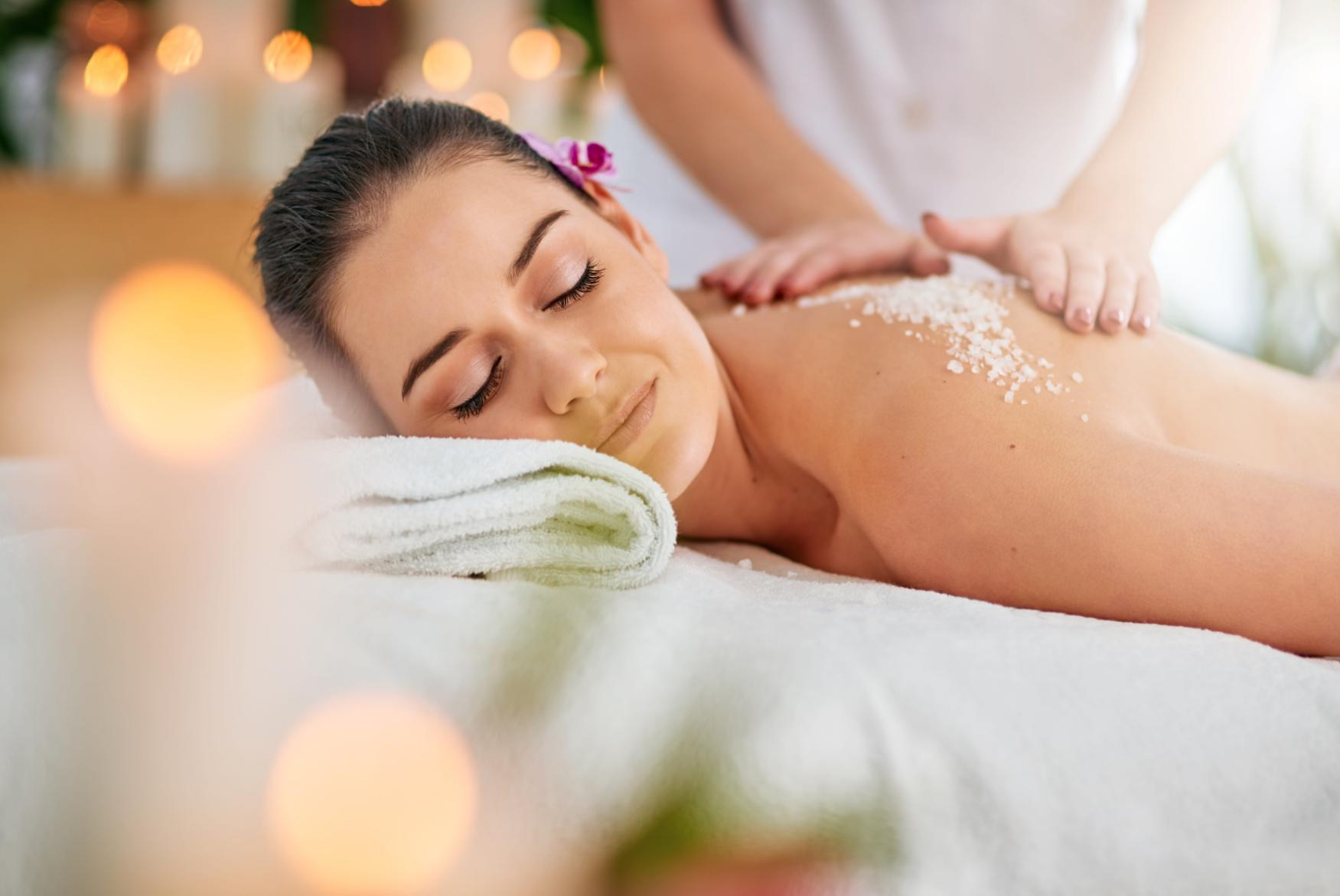
A sauna session is most effective when it’s straightforward: consistent heat, peaceful silence, and regular hydration. After the heat has taken effect, a body scrub gently completes the ritual, leaving the skin feeling luxuriously soft and smooth.
That final step is where Health Land Spa & Massage takes over, offering body scrubs performed by skilled therapists in a serene, leisurely atmosphere filled with soothing scents. Over two decades of experience sit behind a menu that also includes traditional Thai massage, aromatherapy, herbal compresses, and foot reflexology, so exfoliation can easily lead into a fuller treatment. From there, planning a visit is simple: reserve a body scrub in Pattaya, Bangkok, or Chiang Mai, and add a massage whenever a complete spa day appeals.
References:
Q: What are the health benefits of a sauna for sore muscles?
A: Warmth increases local blood flow and can help ease muscle tightness, making heat a comfortable way to soothe tired muscles after activity. Heat afterward supports relaxation, provided you stay hydrated and do not overheat. However, sudden severe pain, swelling, or an acute injury requires medical evaluation rather than sauna heat.
Q: Should you use a sauna before or after a massage?
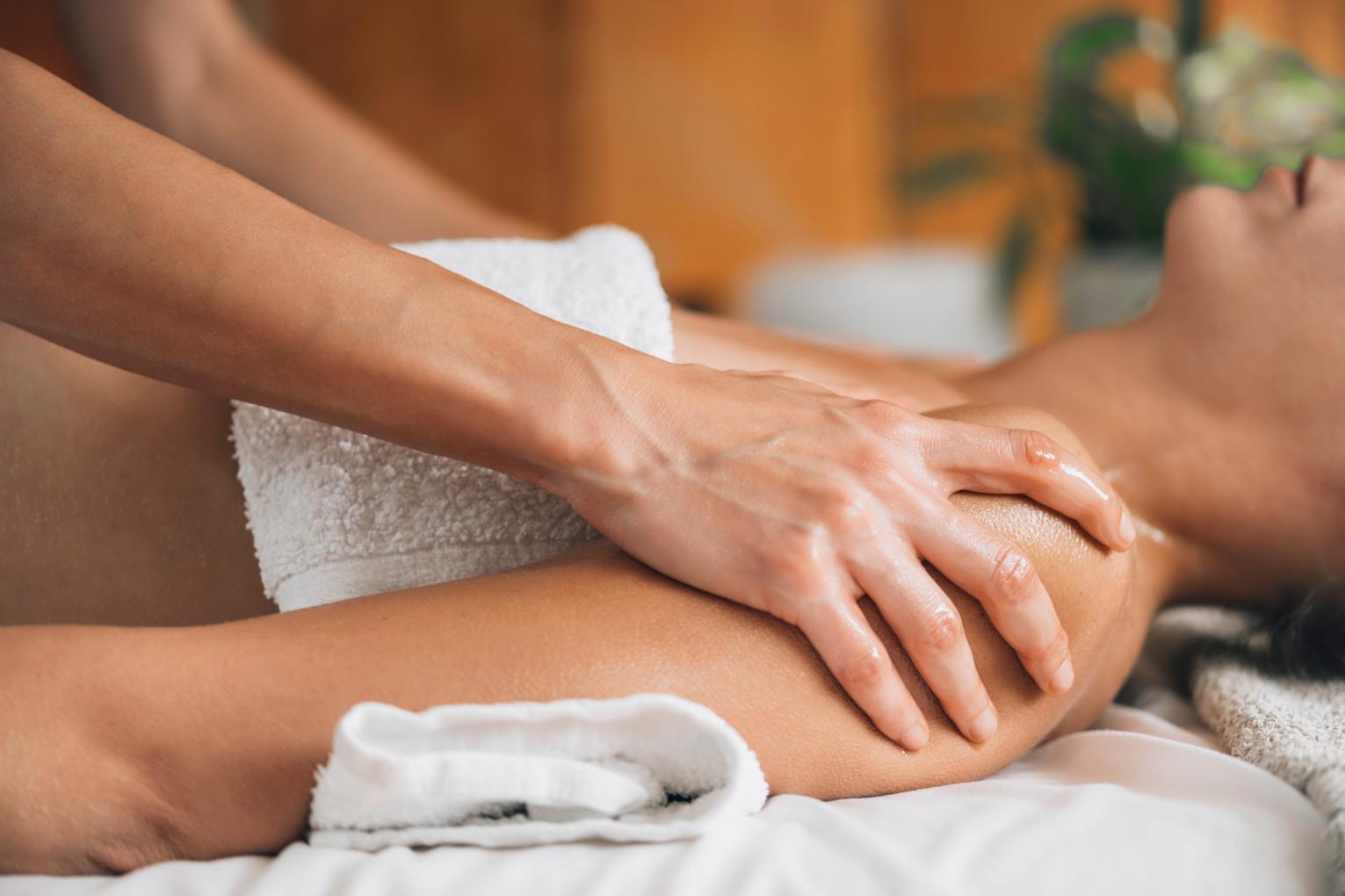
A: Before usually works best. The warmth can leave you feeling less stiff and ready for bodywork, so a common order is sauna, shower, body scrub, then a massage. Let your therapist know if you have just come from the heat.
Q: Can you do a body scrub without a sauna first?
A: Yes. A scrub works well on its own, though warm skin exfoliates more easily. A warm shower beforehand gives a similar softening effect when a sauna is not available.
Q: How often should you pair a sauna with a body scrub?
A: About once a week is ideal for most skin types. Exfoliating too frequently can strip skin moisture and cause irritation, so spacing sessions out gives your skin barrier time to recover.



Share With :