

 30/09/2026 17:22:43
Key Takeaways
Massage for runners may ease muscle tightness and support recovery between long runs, with sports massage the style most often recommended and deep tissue reserved for heavier, chronic tension. Systematic reviews suggest post-exercise massage may reduce delayed onset muscle soreness for some people, though it aids comfort and recovery rather than race-day speed. How often to book depends on training load, weekly mileage, and how the body feels, and many runners keep intense work to a few days before a race. Runners training or traveling in the north can find professional massage in Chiang Mai at Health Land Spa.
Running puts repeated stress on the muscles, joints, and connective tissue, and long-distance training raises that load week after week. To keep up with the demand, many runners now build a massage into their recovery, mobility work, and self-care routines, including while traveling for races or training camps.
That raises a few practical questions: what type of massage for runners works best, what does sports massage actually do for long runs, and how often should you book one? This guide covers each, with a note on massage options for runners spending time in Chiang Mai.
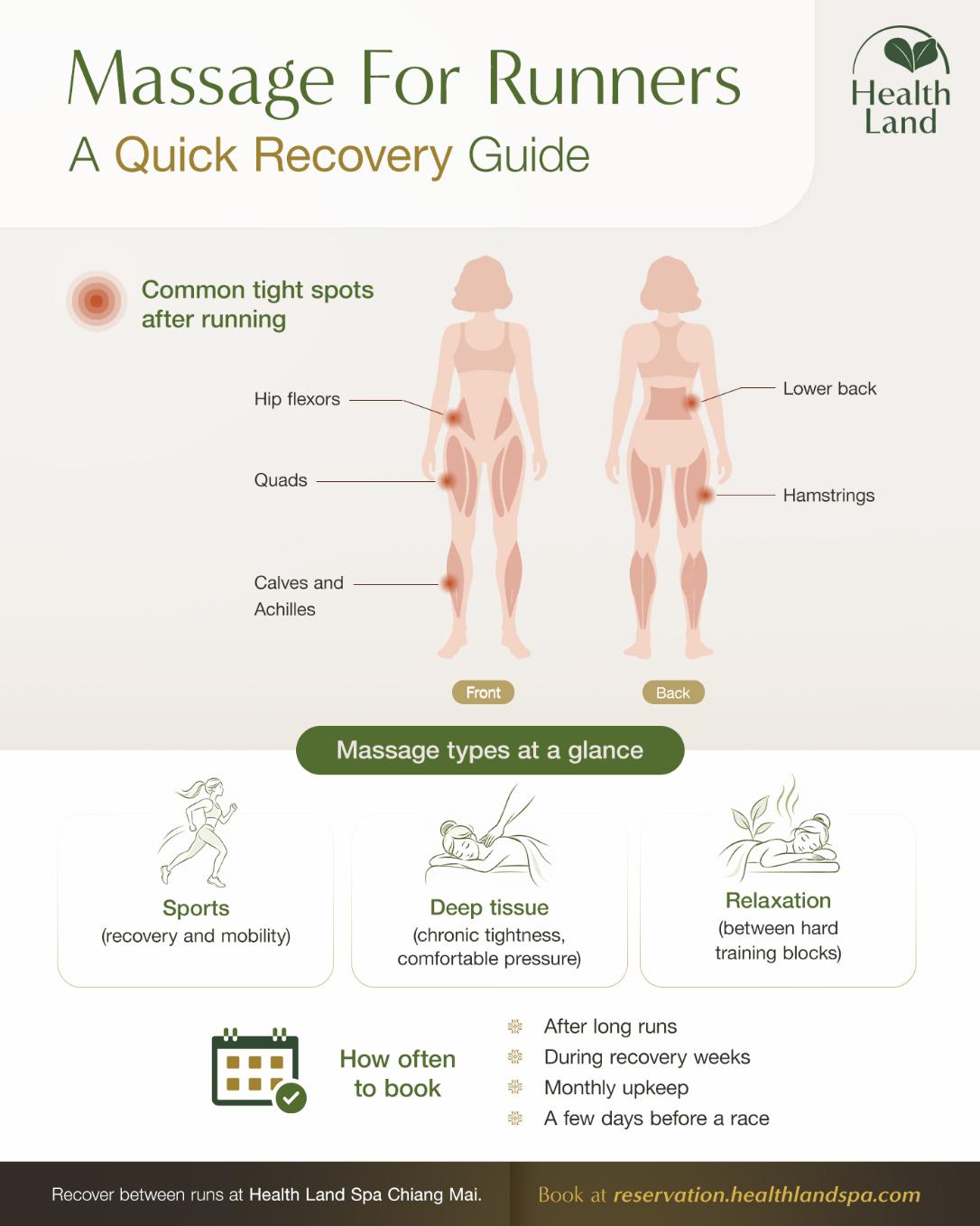
Every stride sends repeated impact through the lower body. Over a training block, that load tends to concentrate in a few areas:
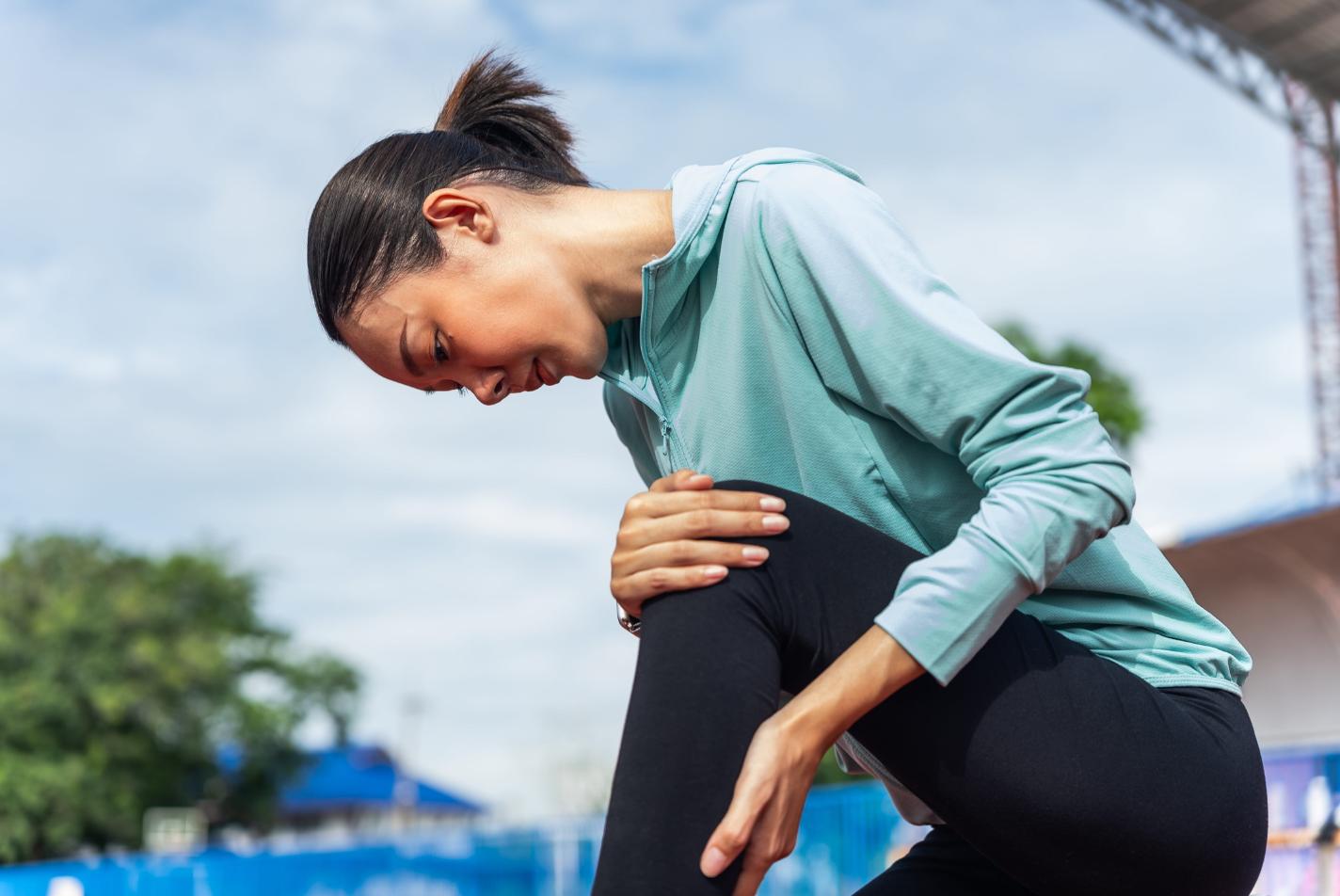
The result is familiar to most runners: muscle tightness, soreness after long runs, reduced mobility, and general recovery fatigue. Massage is one of the tools runners use to manage that build-up.
Long-distance training adds up in a particular way. Downhill sections and the eccentric loading of each foot strike place extra strain on the quads and calves, and back-to-back high-mileage weeks leave less time for muscles to recover between runs. That is often when tightness and fatigue start to carry over from one session to the next.
There is no single answer to what type of massage is best for runners, since it depends on training phase and personal preference. Three styles come up most often.
Sports massage is the style most commonly recommended for runners. It focuses on muscle recovery, mobility, tension release, and soft-tissue work, which lines up well with the demands of regular mileage. A session usually targets the muscle groups that take the most load in running, so it tends to spend more time on the calves, hamstrings, and hip area than a general relaxation massage would.
Deep tissue massage targets chronic muscle tightness, trigger points, and heavier tension areas. Pressure should stay within a comfortable range. More pressure does not mean a better result, so tell the therapist if anything feels painful.
Lighter, relaxation-focused sessions have a place too. Some runners use them between intense training cycles to help the body and mind wind down without heavy soft-tissue work.
For long distance runners, the benefits of sports massage center on recovery and comfort rather than performance guarantees. Most runners use it to feel better between sessions and to stay consistent through a training block, not to run faster on the day.
Results vary from person to person, and massage works best as one part of a wider recovery routine that also includes sleep, easy days, and sensible training loads.
How often should runners get a massage depends on training intensity, weekly mileage, race preparation, recovery needs, and injury history. Common timing looks like this:
Schedules differ widely, so it helps to notice how your body responds across a training cycle. If a deep session leaves you sore for days, ease off the pressure or space sessions further apart. Lighter, more frequent work often suits high-mileage periods better than occasional intense sessions.
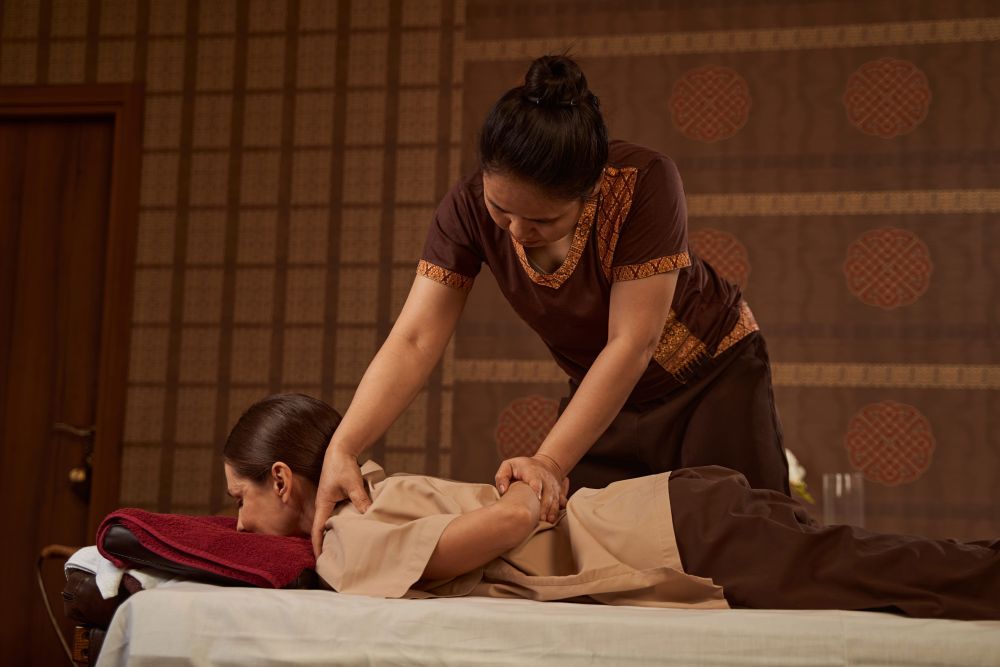
Chiang Mai is a popular base for wellness-focused travel and is well known for its Thai massage culture, which makes it an easy place to add recovery sessions around training or a race. Popular options include traditional Thai massage, foot reflexology, aromatherapy oil massage, and Thai herbal compress treatments.
For runners who want a professional setting, Health Land Spa offers massage in Chiang Mai alongside other locations in Thailand. If you are booking around a race, aim for a lighter session in the days before and save deeper work for after you finish. It also helps to reserve ahead during evenings and weekends and to tell your therapist how much pressure feels comfortable.
If you are training or traveling in the north and want a professional session, Health Land Spa & Massage is an easy place to build recovery into your week. With more than 20 years of experience in traditional Thai wellness and locations in Bangkok, Pattaya, and Chiang Mai, our therapists work in comfortable, professional settings suited to tired legs after long mileage.
Our treatment menu makes it easier to match a session to what your body needs, such as recovery-focused work after a hard block or a lighter relaxation session on an easy week. Runners often pair a leg-focused massage with foot reflexology to ease the calves, feet, and Achilles that take the most load. Sports massage and recovery sessions may help you manage muscle tightness and keep your recovery routine on track. Our branches are open daily between 9:00 a.m. and 11:00 p.m.
Book a session for massage in Chiang Mai at Health Land Spa Chiang Mai today and see how massage for runners may help you feel looser and fresher for your next long run. Reserve your preferred time with us.
References
Q: What type of massage is best for runners?
A: Sports massage is the most commonly recommended, since it focuses on muscle recovery, mobility, and tension relief. The best choice still depends on your training phase and how much pressure feels comfortable.
Q: Do runners benefit from deep tissue massage?
A: Some runners use deep tissue massage for chronic tightness and trigger points. Pressure should stay comfortable and vary by person, so speak up if it feels painful.
Q: How often should runners get massages?
A: It depends on training intensity, recovery needs, and race schedule. Some runners book after long runs or during recovery weeks, while others go monthly for maintenance.
Q: Is massage useful before races?
A: Many runners prefer a lighter, recovery-focused massage a few days before a race rather than intense deep-tissue work right before race day.




Share With :