

 16/09/2026 11:16:01
Key Takeaways
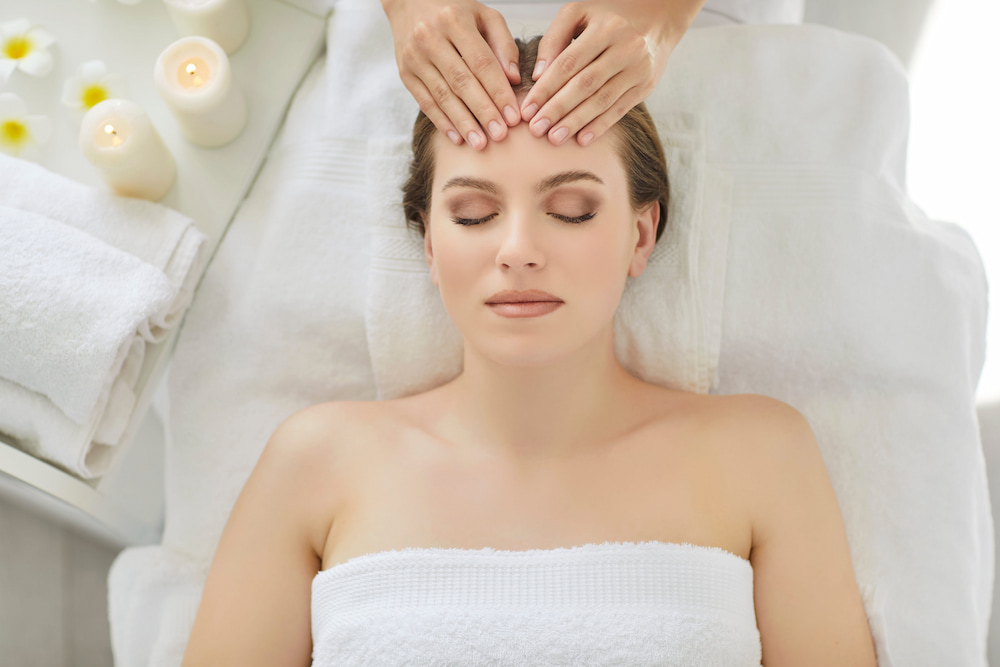
Massage for headaches may ease the muscle tension and stress that often trigger tension-type head pain, with the strongest evidence for tension-type headaches rather than migraine. Hands-on work across the neck, shoulders, jaw, and scalp can help release the tightness that relays pain into the head, and a calmer, more relaxed state may lower the stress that feeds recurring headaches. It works best as a complement to medical care, not a replacement, so see a doctor for any sudden, severe, or unusual head pain. To try a professional option, learn more about Thai massage and spa treatments at Health Land.
Headaches have a way of derailing a normal day. Head pain can make work harder to focus on, disturb sleep, and add to everyday stress, which then feeds back into more tension. Many everyday headaches trace back to familiar triggers: stress, poor posture, tight neck and shoulder muscles, long hours of screen time, dehydration, and jaw clenching.
Massage for headaches is one option some people turn to for the muscular tension and stress that sit behind these headaches. If that is a familiar experience to you, here’s how Thai massage for headaches techniques work, what to expect in a session, and when head pain calls for medical care instead of a massage.
Massage will not cure a headache disorder. For some people, though, it may ease the muscle tension and stress that trigger certain types of head pain.
Not all headaches are the same.
Massage is most often studied for tension-type headaches and some stress-related cases, so knowing your pattern helps set realistic expectations.
So is massage good for headaches? The evidence is most supportive for tension-type headaches. National health information notes that massage and related hands-on approaches may help relieve headache pain, although the research is not conclusive. Some people find that regular sessions reduce how intense or frequent their headaches feel. The key point is that massage works best as a complementary therapy that supports medical care rather than replacing it.
Tight muscles in the neck, shoulders, jaw, scalp, and upper back can refer pain into the head. Small, tender knots known as trigger points may play a part in tension-type headaches. Targeted massage aims to reduce that muscle hardness and tightness, which may take some of the pressure off the areas that feed head pain. Systematic reviews of manual therapy for tension-type headache report positive but still limited evidence, so results vary from person to person.
Stress is a common headache trigger, and massage may help the body shift into a calmer, more restful state. A relaxing session can help someone unwind, and some people report sleeping better afterward. These effects are part of why massage can fit into a wider self-care routine rather than acting as a standalone treatment.
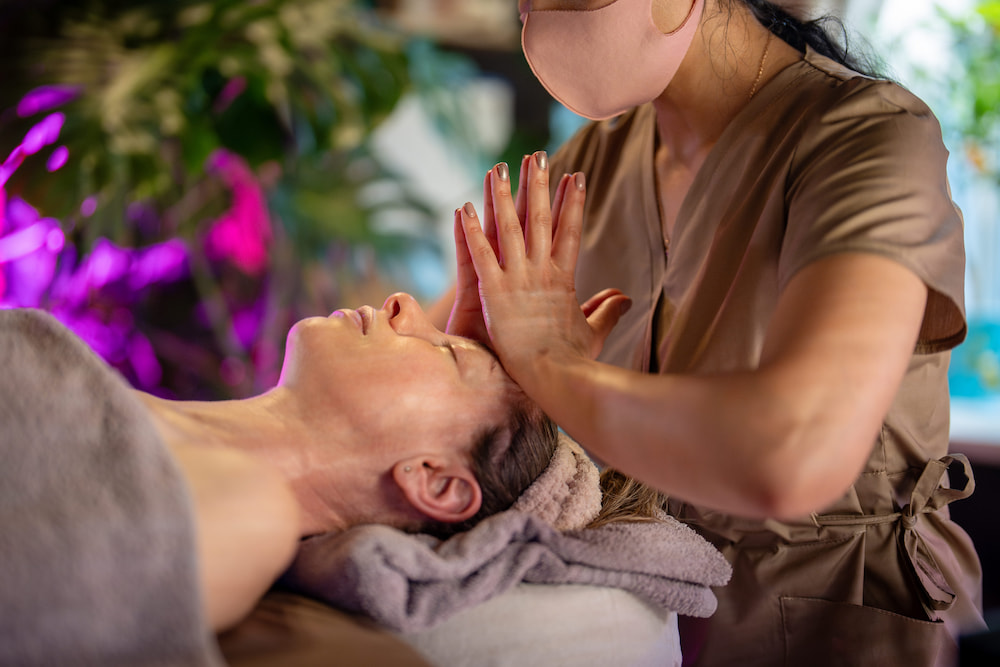
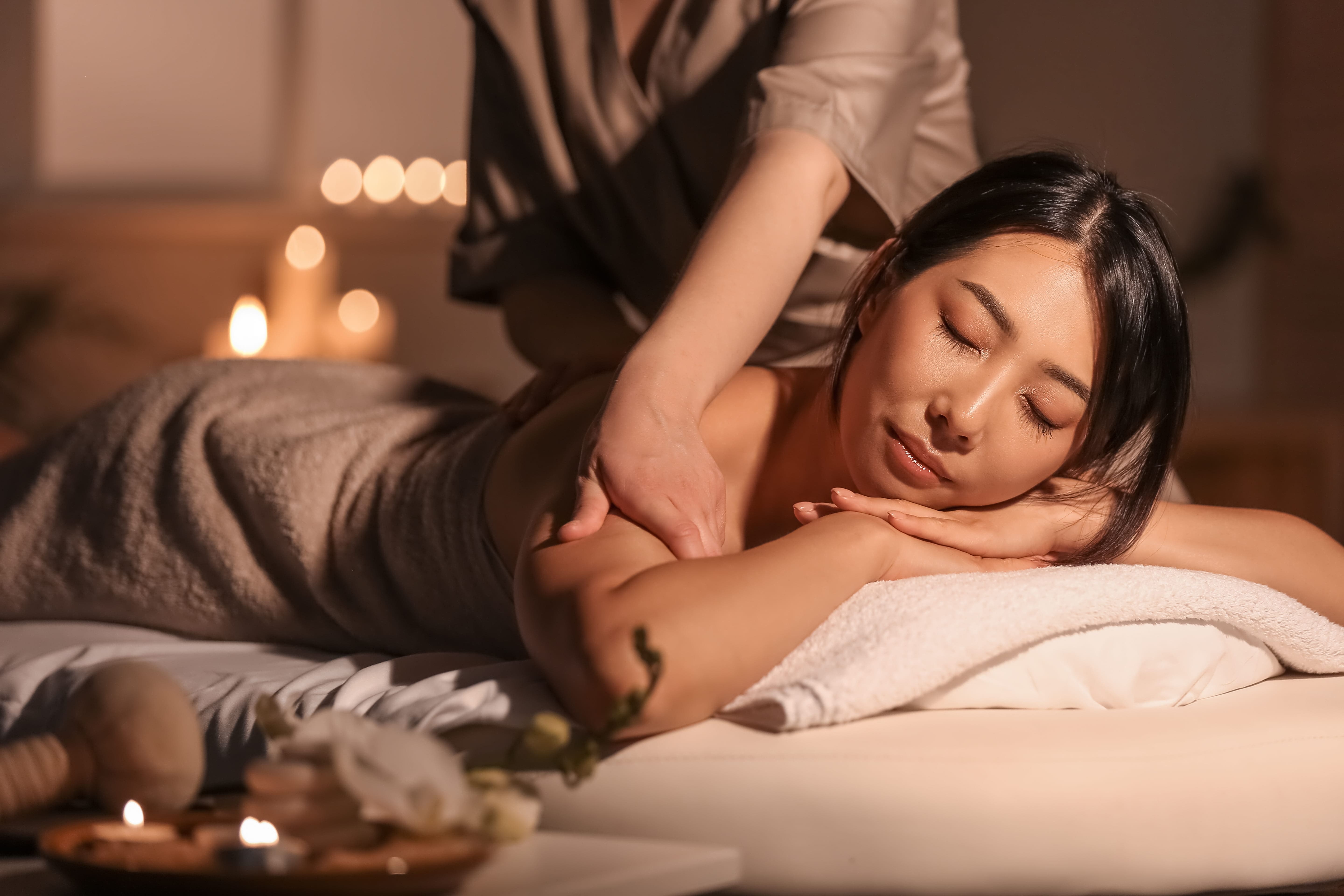
Thai massage for headaches draws on traditional Thai bodywork. Therapists work along what Thai tradition describes as sen, or energy lines, across the neck, shoulders, upper back, and head. In practical terms, a session may combine thumb pressure, palm compression, and gentle assisted stretching to ease tightness in the muscles that contribute to head pain.
Sen lines are part of traditional Thai massage theory rather than a proven anatomical map, so it helps to view them as a cultural framework. If you want to understand the style before booking, you can read more about Thai massage and spa treatments and how a typical session is structured.
Between professional sessions, a few gentle techniques may offer short-term relief. Some people also look up pressure points for headache relief massage to try at home. Keep the pressure light and stop if anything feels painful.
Avoid firm pressure during an active migraine, since it can make symptoms worse for some people.
There is no single rule here. People with occasional stress headaches may simply book a massage when tension builds. As for how often should you get a massage for chronic headaches, those with chronic tension headaches sometimes find weekly or every-other-week sessions more helpful, but ultimately it depends on your pattern and what your body responds to.
Whatever the schedule, massage sits alongside medical care rather than replacing it. Seek medical attention for a sudden, severe headache, for head pain with neurological symptoms such as weakness, confusion, trouble speaking, or vision changes, for a headache with fever and a stiff neck, or for head pain after a head injury. A doctor should assess these before any massage.
If tension-related headaches are part of your week, a professional session may be a practical next step. Health Land Spa & Massage has more than 20 years of experience in traditional Thai wellness, with locations in Bangkok, Pattaya, and Chiang Mai. Our trained therapists work in calm, professional surroundings, so you can focus on easing the muscle tightness and stress that often sit behind head pain.
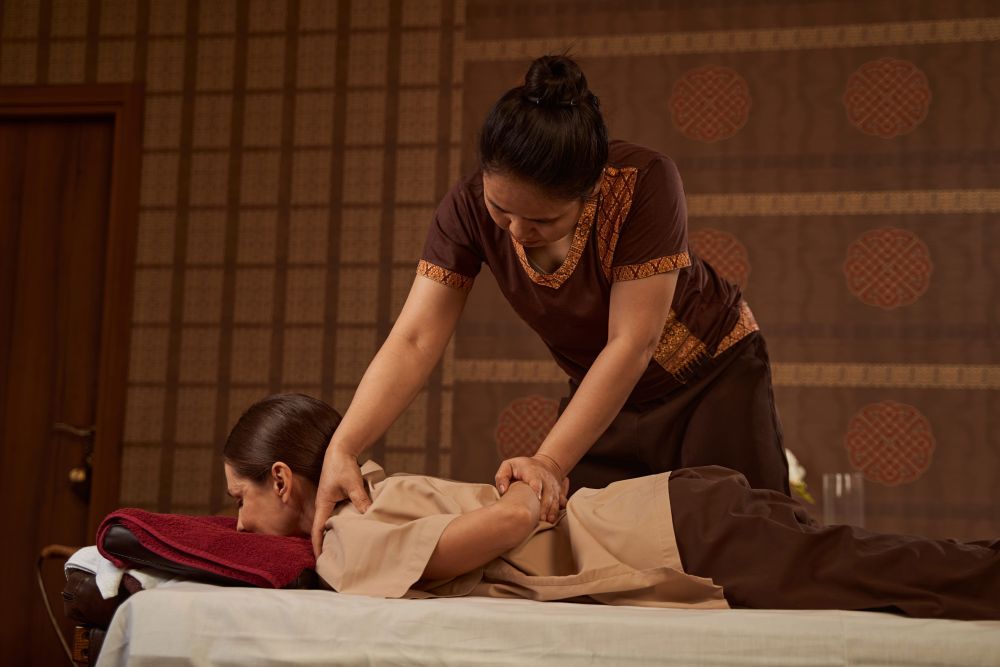
A typical session may combine traditional Thai techniques across the neck, shoulders, and upper back, the areas that most often relay tension into the head. Some guests also pair their massage with an aromatherapy treatment for a more relaxing experience. The aim stays the same either way: to help the body unwind and to fit massage into a wider self-care routine alongside your usual medical care. Our branches are open daily between 9:00 a.m. and 11:00 p.m.
Book a headache-relief massage at Health Land Spa & Massage as your Thai massage and spa today. We’ll help you see how therapeutic touch may help you feel more relaxed and comfortable. Reserve your preferred time with us.
References:
Q: Is massage good for headaches?
A: For many people it may help with tension-type headaches by easing muscle tightness and stress. The evidence is most supportive for tension-type head pain and less clear for migraines. That said, massage works best alongside medical care rather than as a replacement.
Q: What pressure points are used for headache relief massage?
A: Common areas include the temples, the base of the skull, and the neck and shoulder muscles. Keep any self-applied pressure light and comfortable. A trained therapist can work these areas safely as part of a full session.
Q: How often should you get a massage for chronic headaches?
A: It depends on your headache pattern and how your body responds. Some people with chronic tension headaches find weekly or every-other-week sessions helpful, while others book as needed. Discuss a schedule with a healthcare professional if headaches are frequent.
Q: Can Thai massage help with migraines?
A: It may help some stress-related cases, but the evidence is stronger for tension-type headaches than for migraines. Avoid firm pressure during an active migraine if it worsens symptoms, and see a doctor for severe or sudden head pain.
Q: When should I see a doctor about a headache?
A: Seek prompt medical care for a sudden, severe headache, for head pain with weakness, confusion, trouble speaking, or vision changes, for a headache with fever and a stiff neck, or for head pain after an injury.




Share With :