

 05/10/2026 17:29:24
A long hike puts repeated stress on the feet, calves, thighs, hips, and lower back, and that can show up as tightness and soreness that might linger for a day or two afterward.
Hydration, food, and rest are still the best fixes, but a massage treatment after a hike can help ease muscle soreness, support flexibility, and encourage relaxation once you are off the trail.
This guide covers which massage styles work best for post-hike recovery, the best time to book after your hike, and how to get the most out of your routine.
Repetitive walking, especially over uneven terrain or long distances, leads to muscle fatigue and delayed onset muscle soreness, which tends to peak a day or two after activity.
The feet and calves typically take the brunt of the impact because they constantly work to support and push you ahead. Sharp declines increase the level of stress. The muscles at the front of your thigh help regulate your speed and absorb impact with each step, which often causes quads to feel particularly sore after an uphill hike.
Aside from the feet and calves, the hips, glutes, lower back, and even the shoulders can tighten up too, particularly on climbs or when carrying a loaded pack for hours at a time.
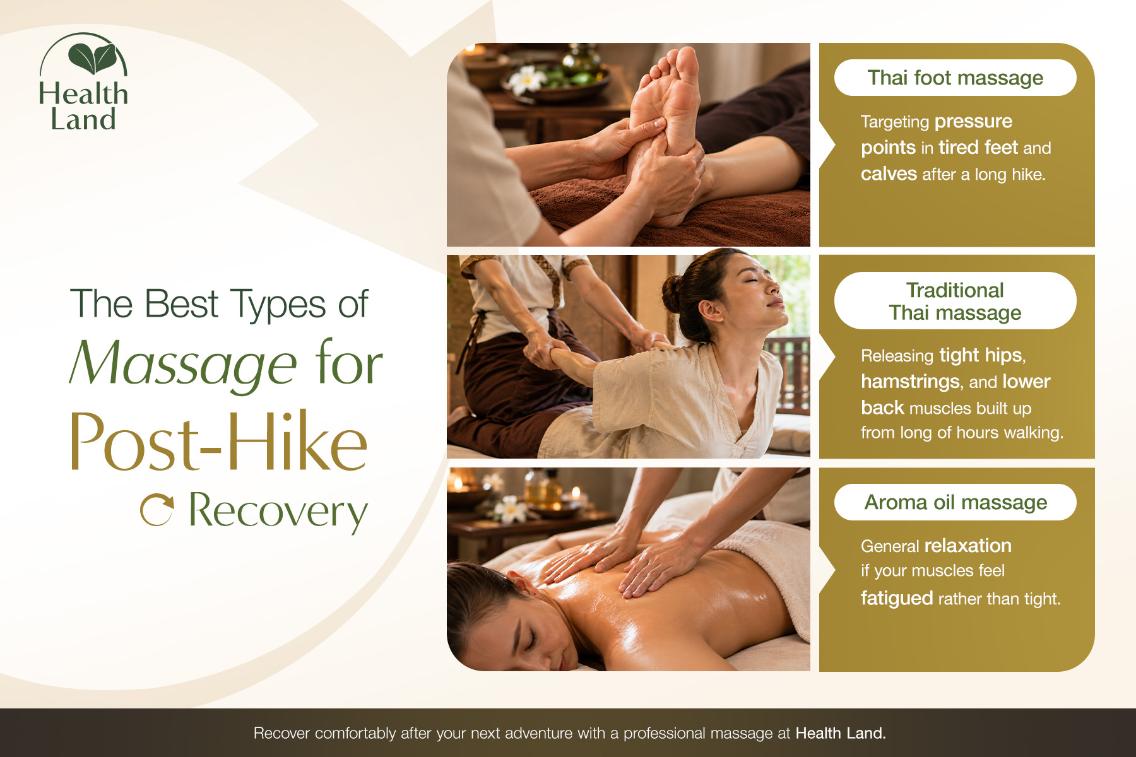
Hiking works a wider range of muscles than most people expect, especially on uneven or hilly terrain:
Knowing which areas are likely to feel tight ahead of time can help you and your therapist focus on a session that will make the most difference. The exact mix varies with the terrain and how much weight you carried, so it is worth mentioning your worst spots at the start of the session.
Not every massage suits every kind of post-hike soreness. The right choice depends on whether your legs feel sharply tight, generally fatigued, or just heavy and worn out.
After a shorter, easier hike, a gentle foot or relaxation massage is usually fine right away.
Following a more strenuous or multi-day hike, it is advisable to wait 24 to 48 hours before booking a deeper treatment if your muscles feel extremely sore. However, you may still be able to book a lighter massage soon after.
Muscle soreness usually peaks one to two days after exercise, so scheduling a deeper session shortly after that period may feel more comfortable.
A few simple habits can help your body recover faster around a massage session:
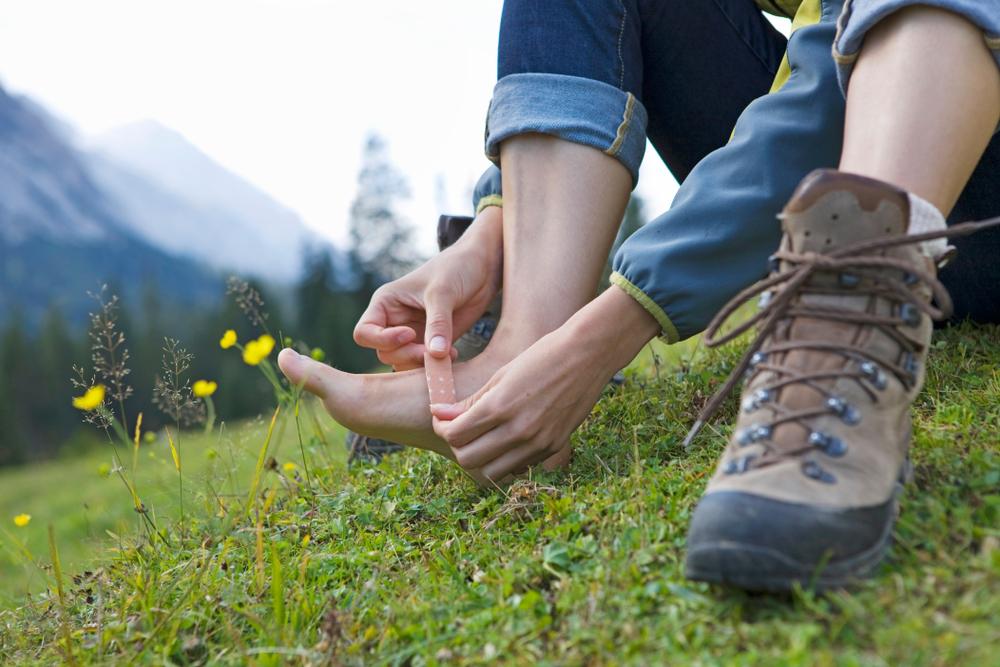
Your feet and legs do the hard work on every hike, and yet, they tend to be the last thing anyone thinks about once the walking stops.
A foot massage is an easy method to relieve the tightness accumulated after hours on the trail, making movement more comfortable the following day. Health Land’s therapists target the exact areas that support you during a hike, from your arches to your calves.
A foot massage after hiking usually combines a few techniques, each easing a different kind of post-hike tension:
Our trained therapists will adjust which techniques they use and how much pressure, based on how your feet and legs feel on the day.
Recover comfortably after your next adventure with a professional foot massage near Thonglor at Health Land. Conveniently located in central Bangkok, it is an ideal stop for soothing tired legs, restoring mobility, and preparing for your next outdoor escape. Walk-ins are welcome, and online reservations are available daily from 9:00 a.m. to 11:00 p.m.
References:
Q: Is a foot massage good after hiking?
A: Yes. A foot massage can help ease tired feet and calves after a long hike, especially when combined with rest, hydration, and stretching.
Q: Should I choose a Thai massage or an oil massage after hiking?
A: Traditional Thai massage suits tight hips, hamstrings, and lower back muscles, while aroma oil massage is a gentler option for general fatigue rather than sharp tightness.
Q: Can massage for hike recovery prevent muscle soreness?
A: Massage may help ease soreness and support flexibility, but it does not prevent delayed onset muscle soreness. Hydration, nutrition, and rest remain the main recovery factors.
Q: How soon after a hike should I get a massage?
A: A gentle massage is usually fine right after an easier hike. After a strenuous or multi-day hike, waiting 24 to 48 hours before a deeper treatment can be more comfortable.




Share With :