

 05/10/2026 17:13:21
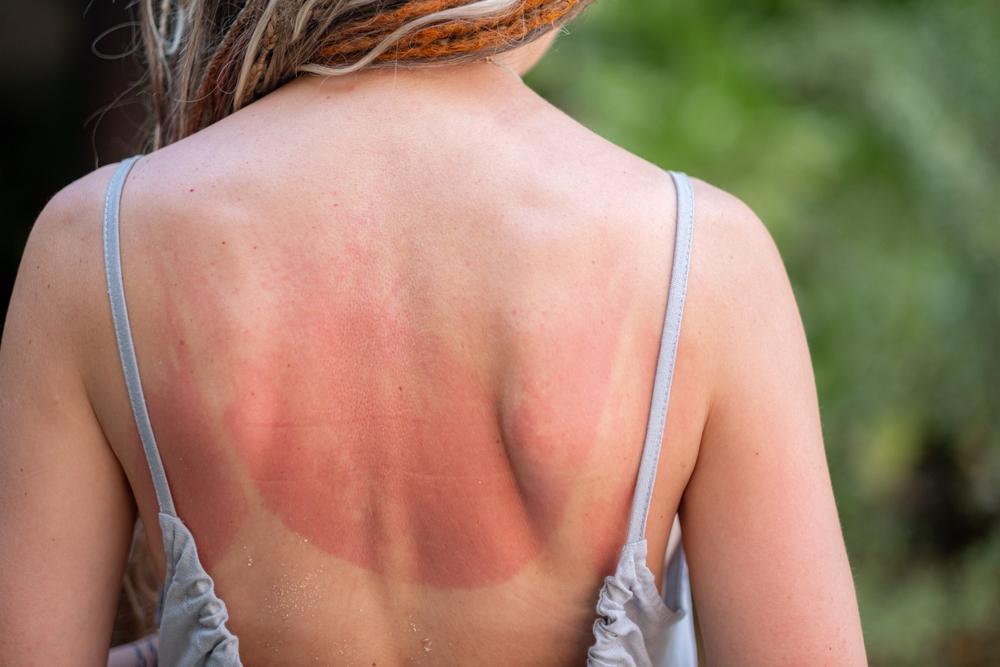
Long days under the Thai sun leave their mark on the skin. Regular UV exposure can bring on dryness, dullness, flaky patches, and uneven texture, and over time contributes to premature skin aging. The reassuring news is that sun damaged skin responds well to gentle, steady care on both the face and body. This guide covers safe ways to calm, hydrate, and renew your skin at home, and it shows how a professional body scrub spa session at Health Land supports smoother, more refreshed skin.
Ultraviolet light reaches the skin as UVA and UVB rays, and steady exposure to both is the main cause of photoaging, the premature aging of skin from the sun (Cleveland Clinic). On the surface, this often shows up as rough texture, dry or flaky areas, and a loss of the natural glow. Deeper changes can include fine lines, dark spots, and softer firmness as collagen breaks down over time.
The face and body both feel the effects, though facial skin is thinner and more exposed day to day. A calm, steady routine gives the skin the support it needs to recover its softness and even tone. The aim of any treatment for sun damaged skin is to restore moisture, guard against further UV exposure, and encourage healthy skin renewal without adding irritation.
Facial skin is delicate, so the safest approach uses mild products and a light hand. A few well-chosen steps can make a clear difference in how your skin looks and feels.
Begin with a gentle, non-stripping cleanser, then apply a hydrating serum. Hyaluronic acid is a favored choice because it binds water in the skin and supports the moisture barrier, which helps skin feel plumper and smoother (GoodRx). Follow with a nourishing moisturizer to seal in that hydration.
Antioxidants give tired skin a helpful boost. Vitamin C is well known for brightening the complexion and defending skin against free radicals created by UV light, and it also supports collagen production (GoodRx). Applied to clean, dry skin in the morning, a vitamin C serum sits comfortably alongside a hydrating routine.

Daily sun protection is the most important habit for skin recovery. The American Academy of Dermatology recommends a broad-spectrum sunscreen with an SPF of 30 or higher that is also water-resistant, applied to all skin not covered by clothing (AAD). Reapplying through the day keeps that protection in place and helps prevent new UV damage.
The skin on the body needs the same care and patience as the face, with a focus on soothing, hydration, and careful renewal.
For skin that feels dry or sun-baked, calming ingredients help. The American Academy of Dermatology suggests applying a moisturizer that contains aloe vera or soy while the skin is still damp, which helps soothe and comfort the surface (AAD). Rich body moisturizers lock in hydration and ease the tight feeling that often follows sun exposure.
Hydration works from within as well. Drinking plenty of water supports the skin as it recovers, and it is especially helpful after time outdoors, since sun exposure can leave the body mildly dehydrated (AAD). Steady water intake through the day complements everything you apply on top.
As skin recovers, dry and dull surface cells can build up. Safe, gentle exfoliation clears away those dead cells and reveals a fresh, healthy layer underneath. This step also helps moisturizers and oils absorb more effectively, so the hydration you apply afterward goes further. The emphasis stays on a light touch, since skin that is still recovering remains sensitive.
Health Land Spa is a Thai wellness brand with branches across Bangkok, Pattaya, and Chiang Mai, offering a full range of spa and massage treatments. For skin left dry, dull, or sensitive by the sun, the kindest approach is to soothe and rejuvenate first: a calming aromatherapy treatment or milk bath jacuzzi helps settle a stressed skin barrier and prepares the surface before any exfoliation. Once skin feels calm and comfortable, our body scrub spa after is the right choice. This full-body exfoliation treatment blends traditional Thai wellness practices with natural and premium ingredients such as salt, sugar, herbs, and oils to exfoliate and rehydrate without leaving already-vulnerable skin feeling worse. You can book a Health Land body scrub on its own or as part of a wider spa package that pairs it with a massage, with options that vary by branch.
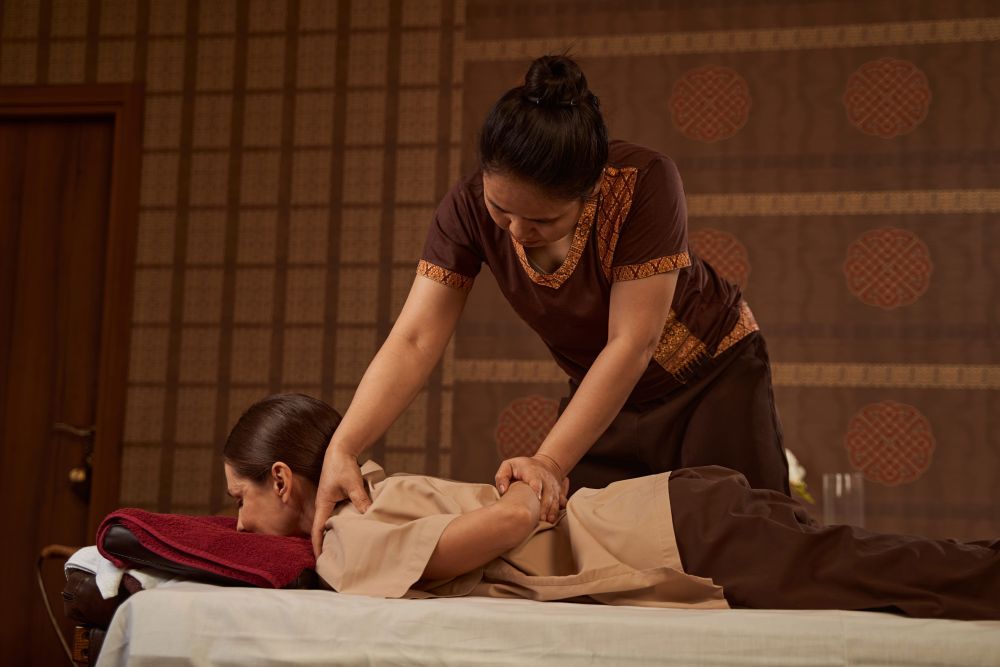
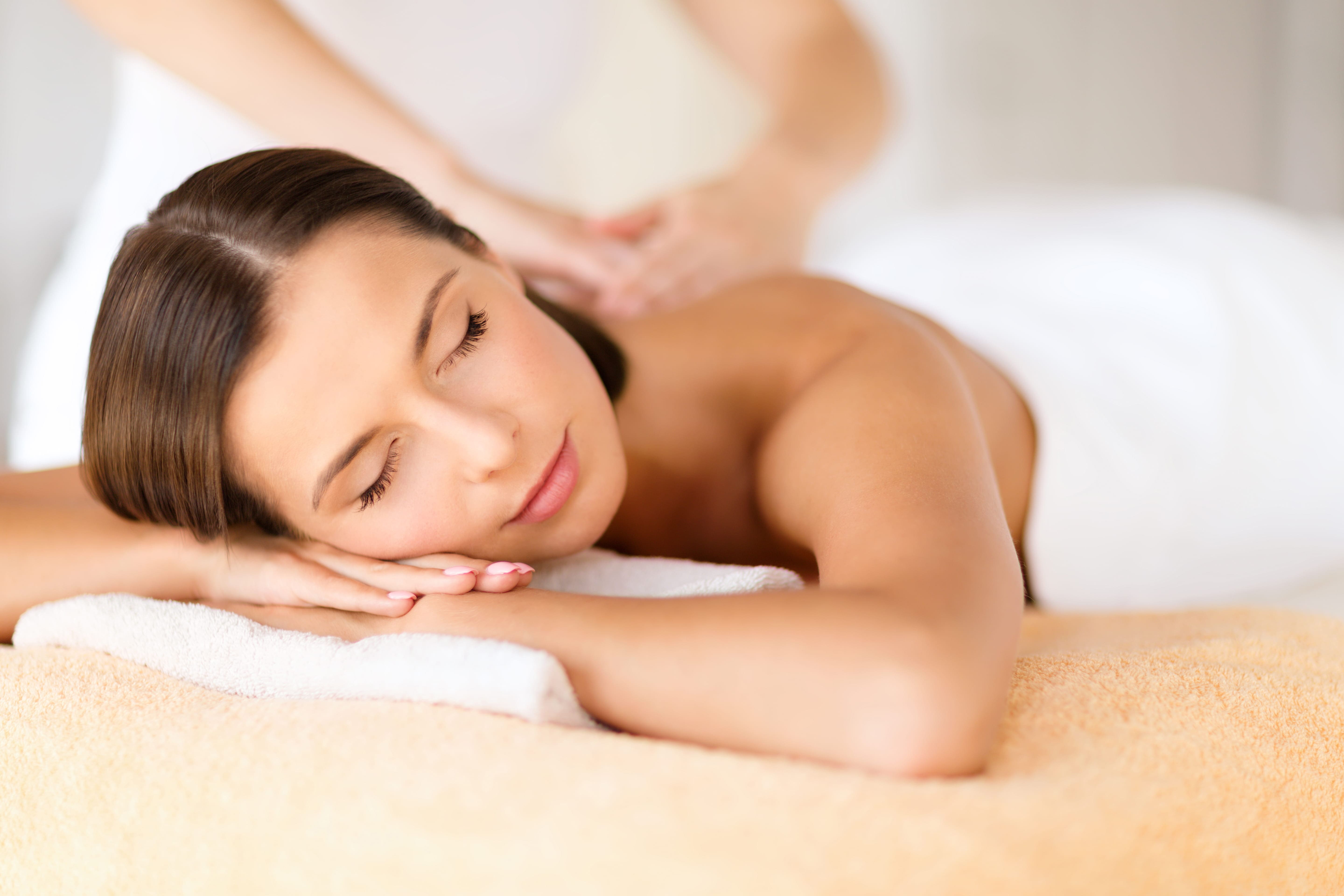
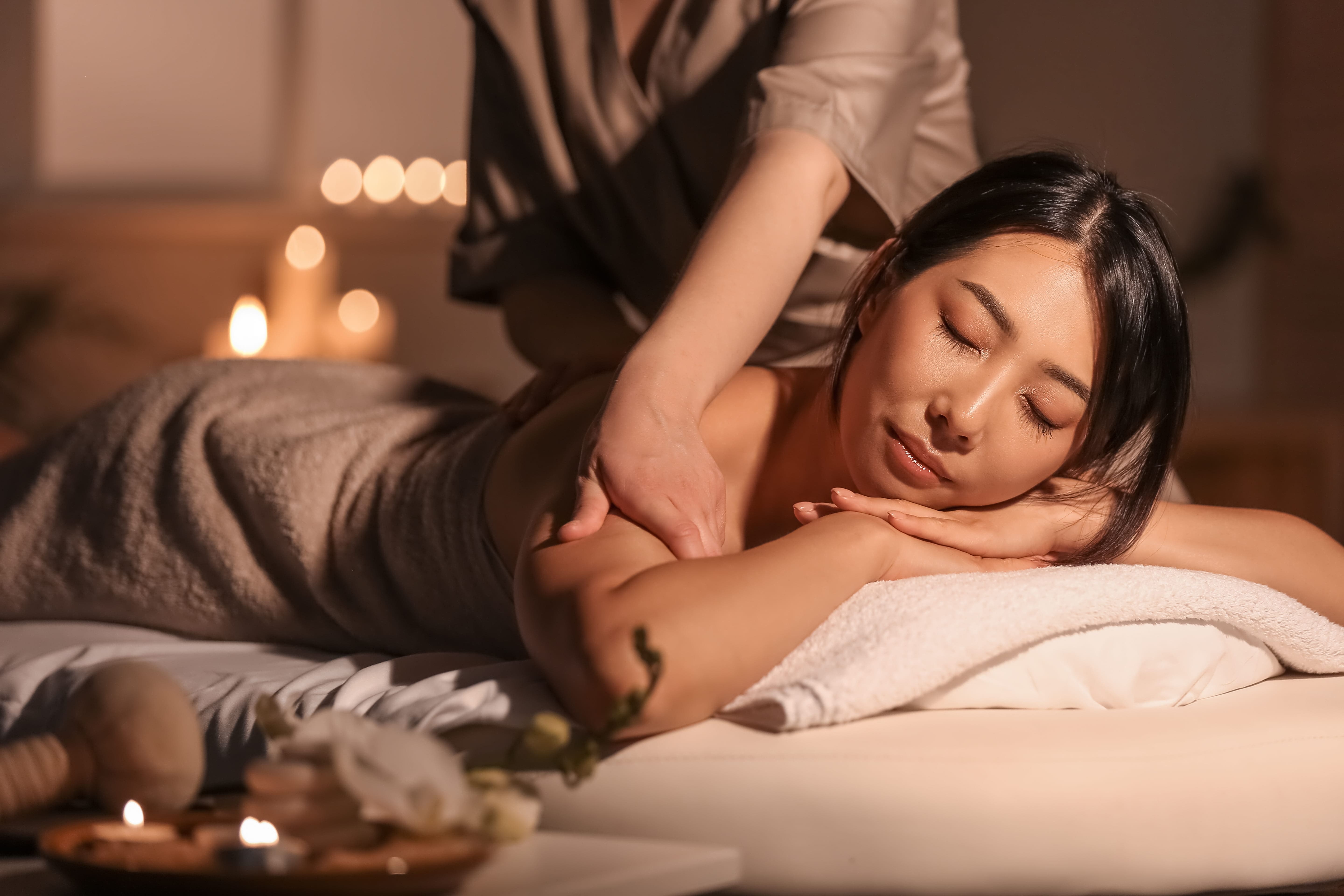
Health Land sets its treatments in a private room with warm towels and attentive therapists who adjust the pressure and application to your skin's needs. For sun-stressed or sensitive skin, that often means beginning with something gentle: an aromatherapy body treatment or milk bath that combines soothing touch with calming aromatic oils to relax tired skin and ease the day's tension. It is a comfortable way to rejuvenate the surface and prepare it before any exfoliation, so nothing feels harsh on skin that is still recovering.
Once skin is calm and comfortable, the body scrub does its work. Gentle circular motions remove dead skin cells and rough patches to reveal a smoother, brighter surface, while also supporting circulation and lymphatic movement. Exfoliation prepares the skin to take in moisturizers and oils more effectively, so the lotion or oil applied afterward locks in longer-lasting hydration, which is exactly what sun-tired skin needs. Because the scrub comes after a soothing first step, it refreshes the skin without overworking a delicate barrier.
Health Land shares a helpful aftercare tip: freshly exfoliated skin is more sensitive to UV rays, so it is best to avoid direct sun exposure for at least 24 hours after the treatment, and to apply a broad-spectrum sunscreen if you do go outside. Skipping hot showers, saunas, and harsh skincare products for a day or two also gives the skin time to settle and stay smooth.
Recovery timelines vary from person to person and depend on how much sun the skin has seen. Mild surface effects, such as dryness and a short-term sunburn, often settle within several days of consistent, attentive care. Longer-term signs of photoaging, such as uneven tone and rough texture, tend to improve gradually over weeks and months of steady hydration, antioxidant use, and daily sun protection.
Knowing how to recover sun damaged skin comes down to consistency: mild products, safe exfoliation, and sun protection applied day after day give skin the best chance to look renewed. Persistent dark spots, a change in a mole, or skin concerns that do not settle are worth checking with a board-certified dermatologist.
Caring for sun damaged skin is a steady daily routine, and a professional treatment is a lovely way to support it. For a restorative body scrub that leaves skin feeling soft and refreshed, visit a Health Land spa in Bangkok, Pattaya, or Chiang Mai, or look through the options on the Treatments and Packages pages and book your session online.
References:
Q: How to treat sun damaged skin on face vs body safely?
A: The face needs mild, delicate care with gentle cleansers, hydrating serums like hyaluronic acid, antioxidants like vitamin C, and daily broad-spectrum sunscreen. The body benefits from soothing ingredients such as aloe vera, rich moisturizers, plenty of water, and gentle exfoliation. Both areas recover best with mild products and steady sun protection.
Q: How long does it take to recover sun damaged skin with topical treatments?
A: It varies with the level of sun exposure and the products used. Mild dryness and a short-term sunburn often ease within several days, while longer-term texture and tone changes improve gradually over weeks and months of consistent hydration, antioxidants, and sunscreen.
Q: What is a body scrub spa treatment?
A: A body scrub spa treatment is a full-body exfoliation session. At Health Land, therapists use a natural blend of salt, sugar, herbs, and oils in gentle circular motions to remove dead skin cells, then apply moisturizer to leave skin feeling smooth and soft.
Q: Is exfoliation safe for sun damaged skin?
A: Gentle exfoliation is helpful once skin has calmed, since it lifts away dull surface cells and helps moisturizers absorb. Because newly exfoliated skin is more sensitive to the sun, pair it with daily sun protection and give the skin a short rest from harsh products.
Q: How can I protect my skin after sun exposure?
A: Keep skin hydrated with a nourishing moisturizer, drink plenty of water, and apply a broad-spectrum sunscreen with an SPF of 30 or higher every day. These simple habits support skin as it recovers and help prevent further UV damage.




Share With :