

 16/09/2026 11:33:09
Key Takeaways
A cramped sightseeing itinerary, long office hours at a desk, or a full day of traveling can all leave tension sitting in the scalp, neck, and shoulders. A head massage offers a simple way to unwind while easing that pent up tension. This guide explores the benefits of head massage, who tends to notice the biggest difference, and what to expect during a professional treatment.
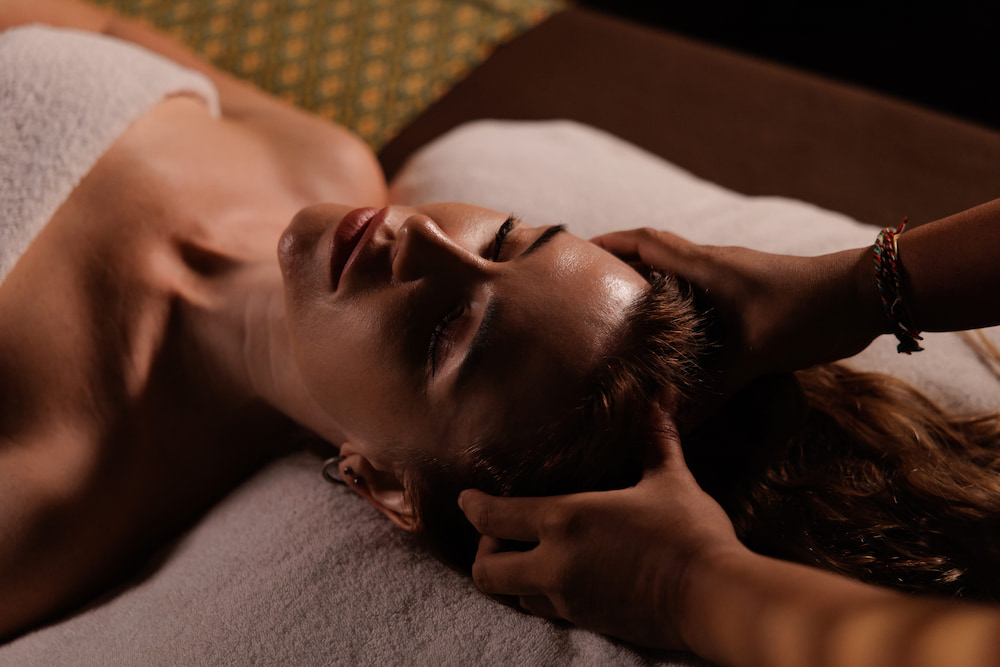
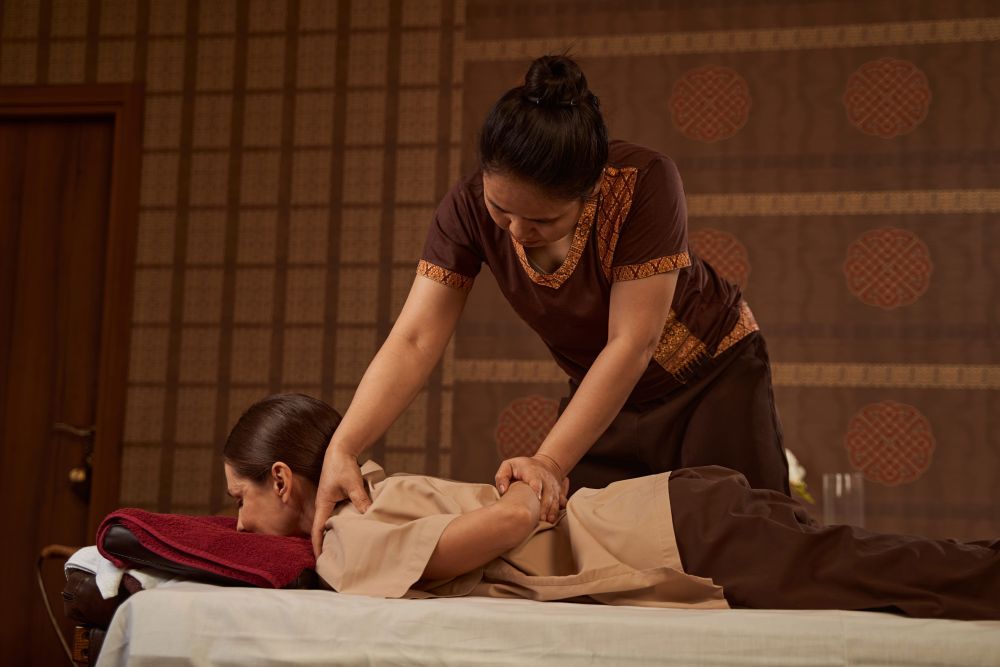
A head massage generally combines gentle pressure and kneading techniques across the scalp, temples, neck, and shoulders, and is often paired with some upper body work. A Thai-style head massage typically incorporates traditional Thai massage technique, extending into the neck, shoulders, and upper back rather than staying limited to the scalp alone, with the focus on releasing muscle tension throughout the area. Some versions are performed with the guest fully clothed and seated, while others are worked into a longer session that includes the back and shoulders.
People turn to head massage for a range of reasons:
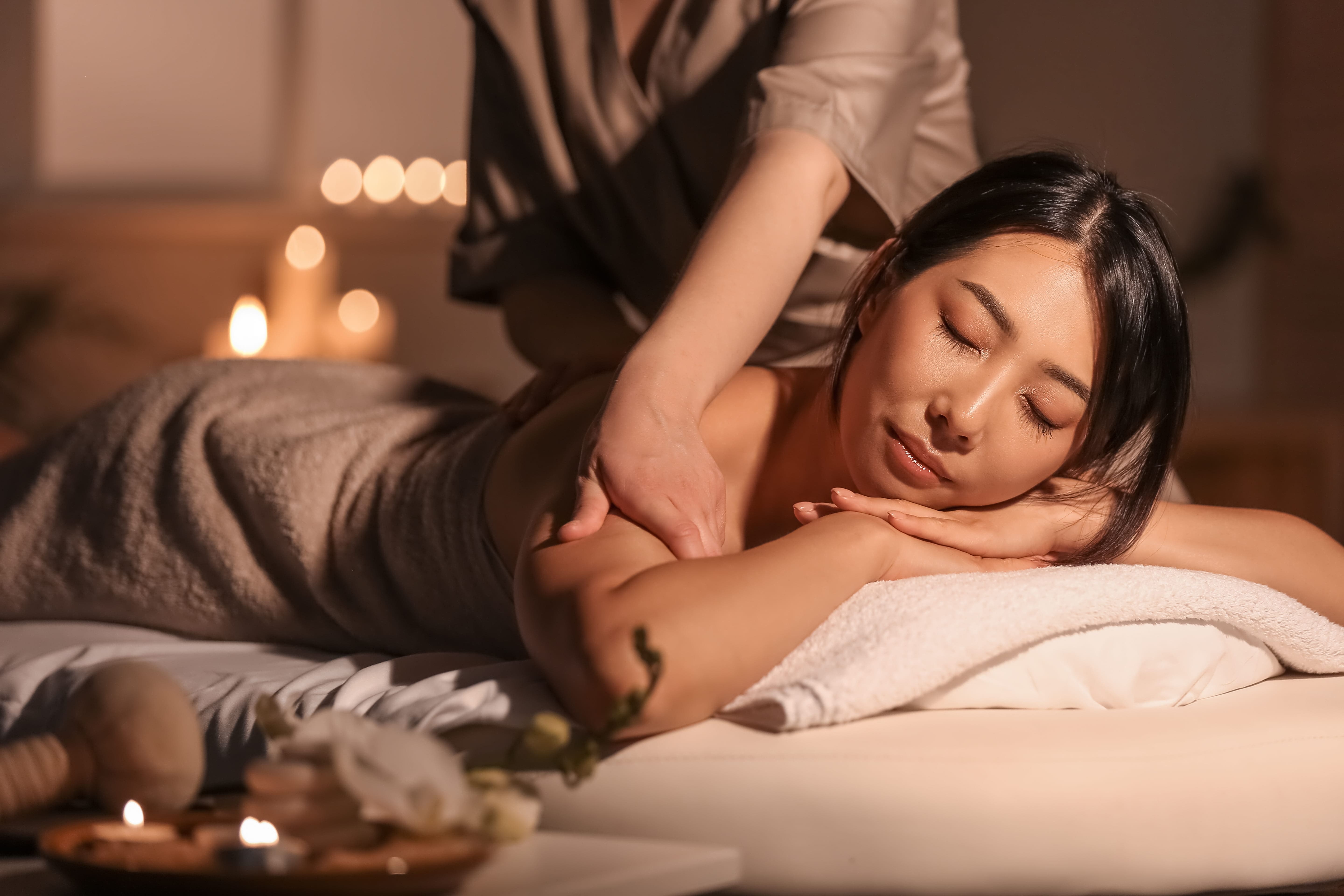
A typical session starts with the therapist checking whether you prefer a lighter touch or firmer pressure, since comfort levels vary a lot from person to person. From there, treatment usually moves in a steady rhythm across the scalp before extending down into the neck and shoulders, sometimes using light oil and sometimes performed dry, depending on the spa and your preference.
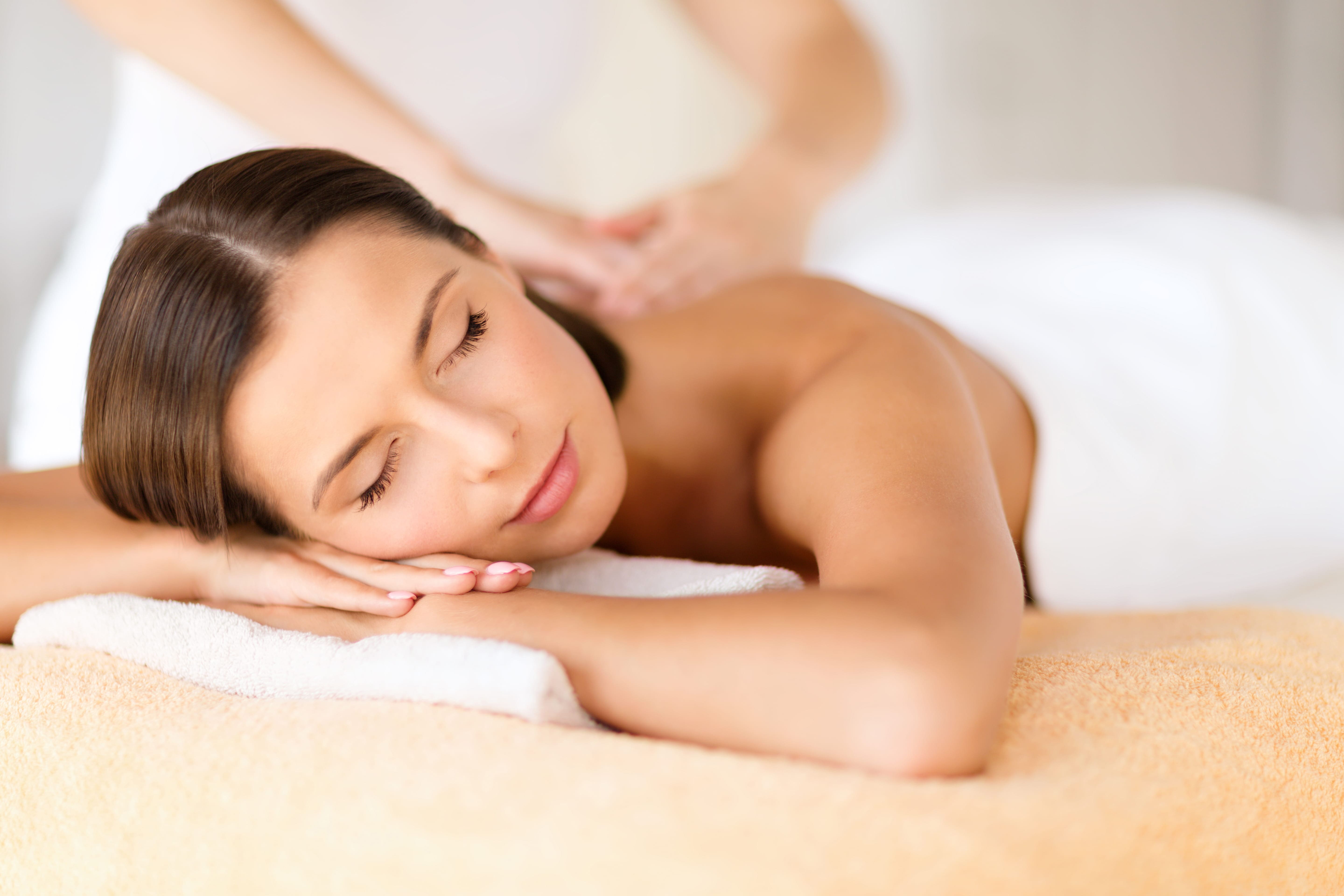
A standalone head massage may last 30 to 45 minutes, while a longer session may combine it with a fuller back and shoulder massage. Afterward, guests usually describe feeling lighter through the head and neck, with a noticeably calmer mood.
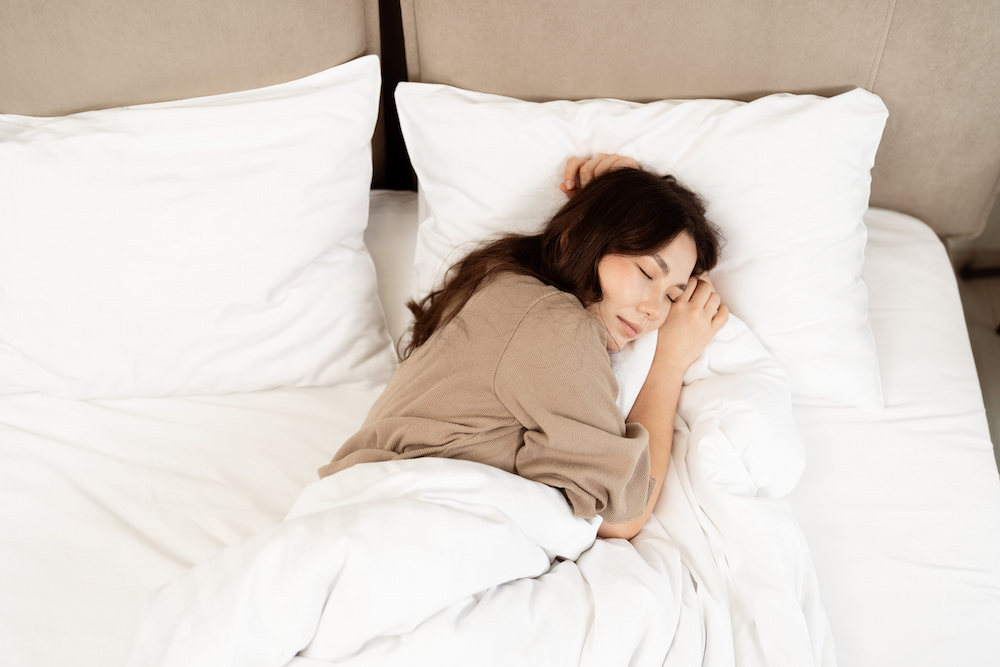
A head massage can support relaxation by reducing muscle tension and helping calm the mind before bedtime. Getting a massage may help improve relaxation and general sleep quality for some people, though it is not a treatment for chronic insomnia or underlying sleep disorders, which deserve their own medical attention.
Travelers often carry stiffness from long flights or busy sightseeing days. A head massage is a great way to unwind and encourage relaxation during a trip.
Meanwhile, office workers frequently deal with neck and shoulder tightness from long hours at a desk, and a session that addresses this area can complement healthy posture habits and regular stretching.
For travelers exploring Thailand or office workers on a daily grind, a head massage is an easy way to fit a short reset into an otherwise packed schedule.
A head massage is generally not advisable in a few situations:
If any of these apply to you, check with a healthcare provider before booking. A brief consultation before your session gives the therapist a chance to ask about these factors and adjust the treatment accordingly.
A good head massage tends to affect you in more ways than one. Aside from easing tension in the scalp, it clears the head, lifts your mood, and leaves you feeling like yourself again.
At Health Land, our therapists bring the same level of care and attention to every session, working through the tightness that builds up in the neck and shoulders as much as the scalp itself.
If you’re in Chiang Mai, our outlet here offers a range of massages to meet all your relaxation goals. Book your head massage in Chiang Mai at Health Land. Walk-ins are welcome, and online reservations are available daily from 9:00 a.m. to 11:00 p.m.
References:
Q: What are the benefits of head massage?
A: A head massage can ease tension in the scalp, neck, and shoulders, support relaxation, and help some people feel calmer and more focused afterward.
Q: Can a head massage help with sleep problems?
A: It may help support relaxation and improve sleep quality for some people, though it is not a treatment for chronic insomnia or other sleep disorders.
Q: Is head massage beneficial for travelers and office workers in Bangkok?
A: Yes. Travelers often use it to ease stiffness from flights or sightseeing, while office workers find it helps with neck and shoulder tightness from long desk hours.
Q: How often should you get a head massage?
A: Frequency depends on your needs. Occasional sessions work well for general relaxation, while regular sessions can support ongoing stress management.




Share With :