

 05/10/2026 17:38:24
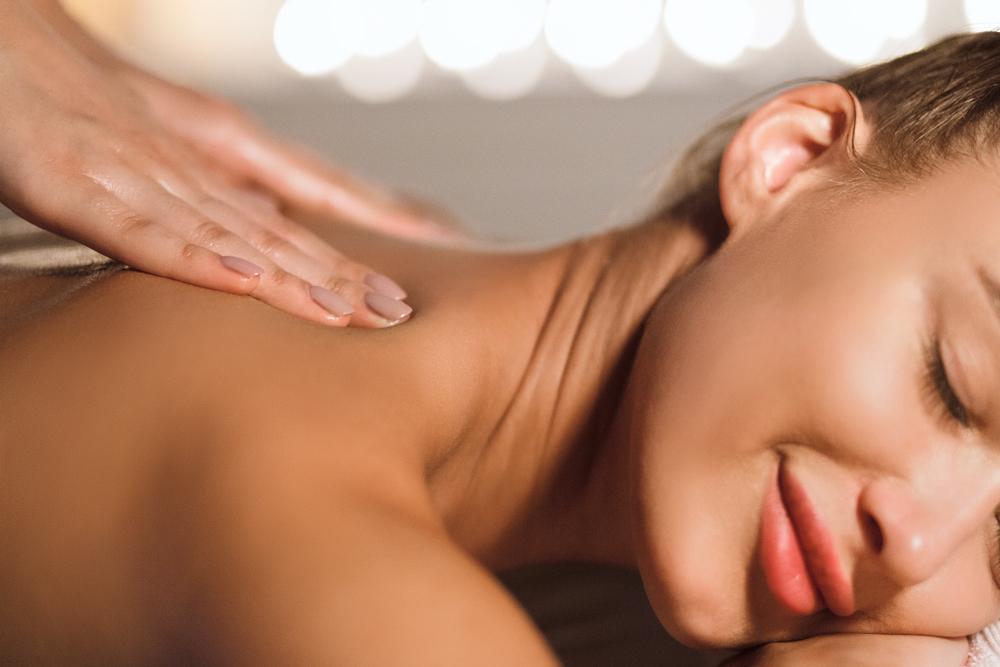
A lot of spa guests are taken aback when they wake up calmly near the treatment’s end, not knowing how long they had been asleep. It is an experience many recognize and find comforting. Falling asleep during a massage is an everyday occurrence for massage therapists, and it speaks to your body's natural response to deep relaxation rather than your spa etiquette. Find out the reasons behind it, if the advantages remain, and how to maximize your session, whether you’re awake or asleep.
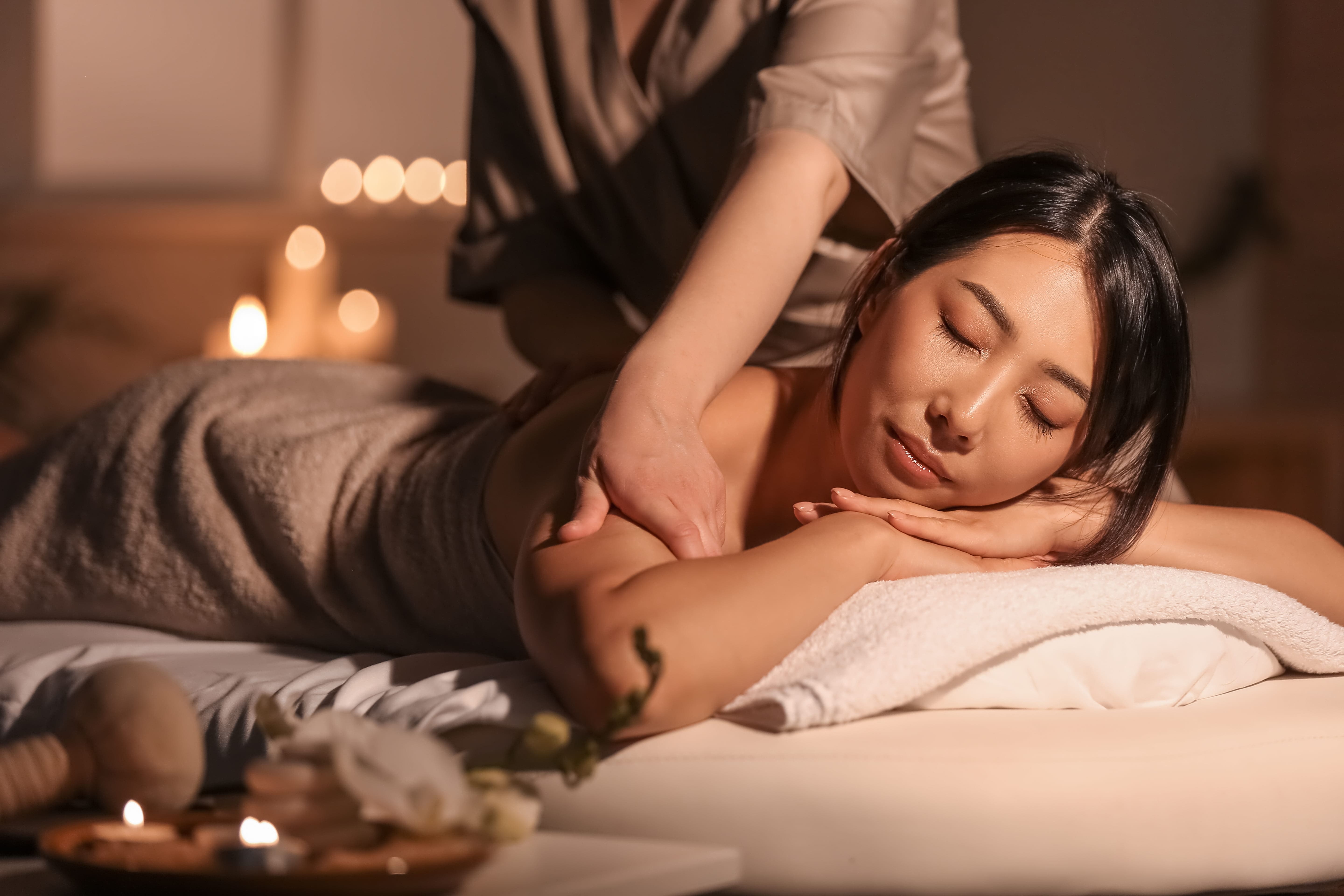
Yes. It is completely normal to fall asleep during a massage, and most therapists consider it a sign the session is doing its job. Clients doze off regularly, especially during gentler full-body treatments. During a massage, your nervous system shifts from an alert state into a rest state, which slows your breathing, eases muscle tension, and can leave you feeling pleasantly drowsy.
Falling asleep on the table often signifies several positive things simultaneously: you feel secure with the therapist and the surroundings, your muscles have relaxed, and your body is seizing the opportunity to recover any lost rest. Most skilled therapists interpret a sleeping client as a compliment, not as rudeness, because it indicates trust and successful methods.
Yes. Your therapist works through the full session while you sleep, and your body keeps responding to the treatment. Some people report feeling less stiff, more relaxed, and in a better mood after sessions where they dozed off than after sessions where they stayed alert.
At times, remaining awake proves more beneficial, especially for targeted treatments such as deep tissue or firmer pressure, which rely on real-time feedback about comfort; therefore, it’s advisable to share any trouble spots and pressure preferences with your therapist beforehand, before drifting off. If you’re worried about snoring or drooling, there’s really no reason to be as therapists are accustomed to them.
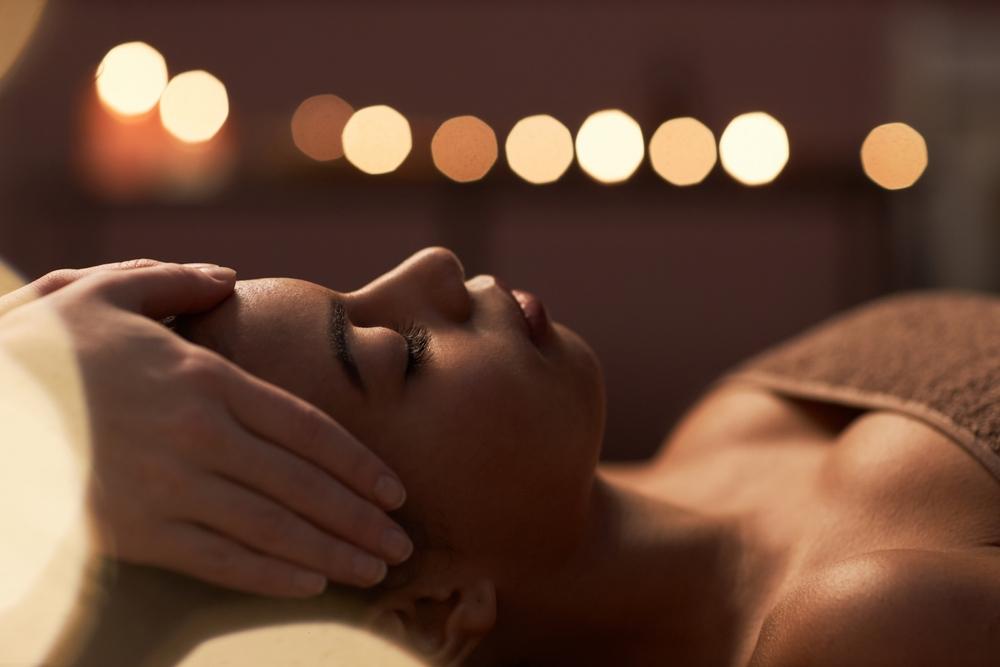
Several things combine to make the massage table such a sleep-friendly place:
Falling asleep is fine for sessions centered on relaxation, but there are times when being alert initially improves the effectiveness of the treatment.
Even then, there is no need to fight sleep once your preferences are clear. A good therapist will already understand your needs based on prior communication and can continue while you rest.
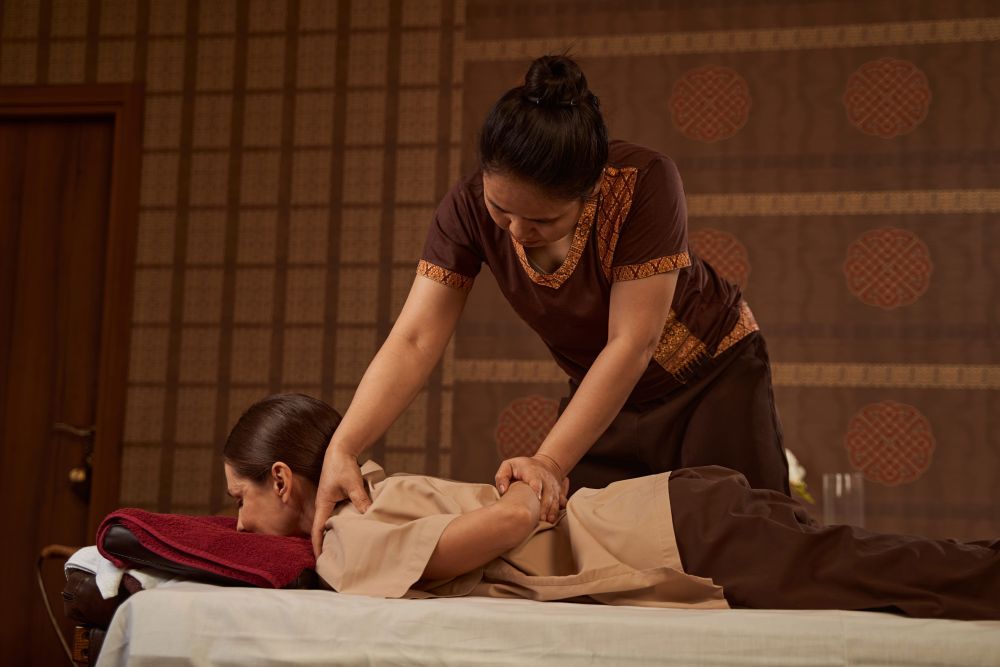
If you want to fully disconnect, both the environment and the therapist are important. Health Land offers more than 20 years of expertise in traditional Thai massage, aromatherapy, foot reflexology, and a broad selection of spa and wellness treatments, with skilled therapists who understand how to apply the perfect pressure, pace, and ambiance for guests seeking complete relaxation.
Don't worry if you find yourself drifting off on the table. Falling asleep during a massage is one of the clearest signs your body feels safe, your muscles have let go, and the session is doing exactly what it should. Book your treatment for a massage in Chiang Mai at Health Land, or visit any of our branches across Thailand. Walk-ins are welcome, and online booking is available daily from 9:00 a.m. to 11:00 p.m.
References:
Q: Is it normal to fall asleep during a massage, and what does it mean?
A: Yes, it is very normal. It usually means you feel safe and relaxed, your muscles have released tension, and your nervous system has shifted into a restful state. Most therapists take it as a sign the session is working.
Q: Is it good to fall asleep during a massage?
A: For a relaxation-focused session, yes. You still receive the full benefits, and dozing off often means deeper relaxation. For targeted deep tissue work, staying awake early on helps you give feedback on pressure.
Q: Do I still get the benefits if I fall asleep?
A: Yes. Your therapist continues the full session whether you are awake or asleep, and your body keeps responding to the treatment.
Q: Is it embarrassing if I snore or drool during a massage?
A: Not at all. Snoring and drooling happen regularly, and therapists are used to them. They are simply signs you relaxed deeply.




Share With :