

 16/09/2026 11:39:40
Key Takeaways
Modern family life leaves little room to pause. Between work pressure, school stress, and screens that follow everyone from morning to night, tension accumulates across every age group. That is why more households are turning to massage as a shared wellness activity, one that helps the whole family slow down, relax, and recover together. Knowing where those benefits of massage for family wellness come from makes it easier to build calmer, more balanced routines at home.
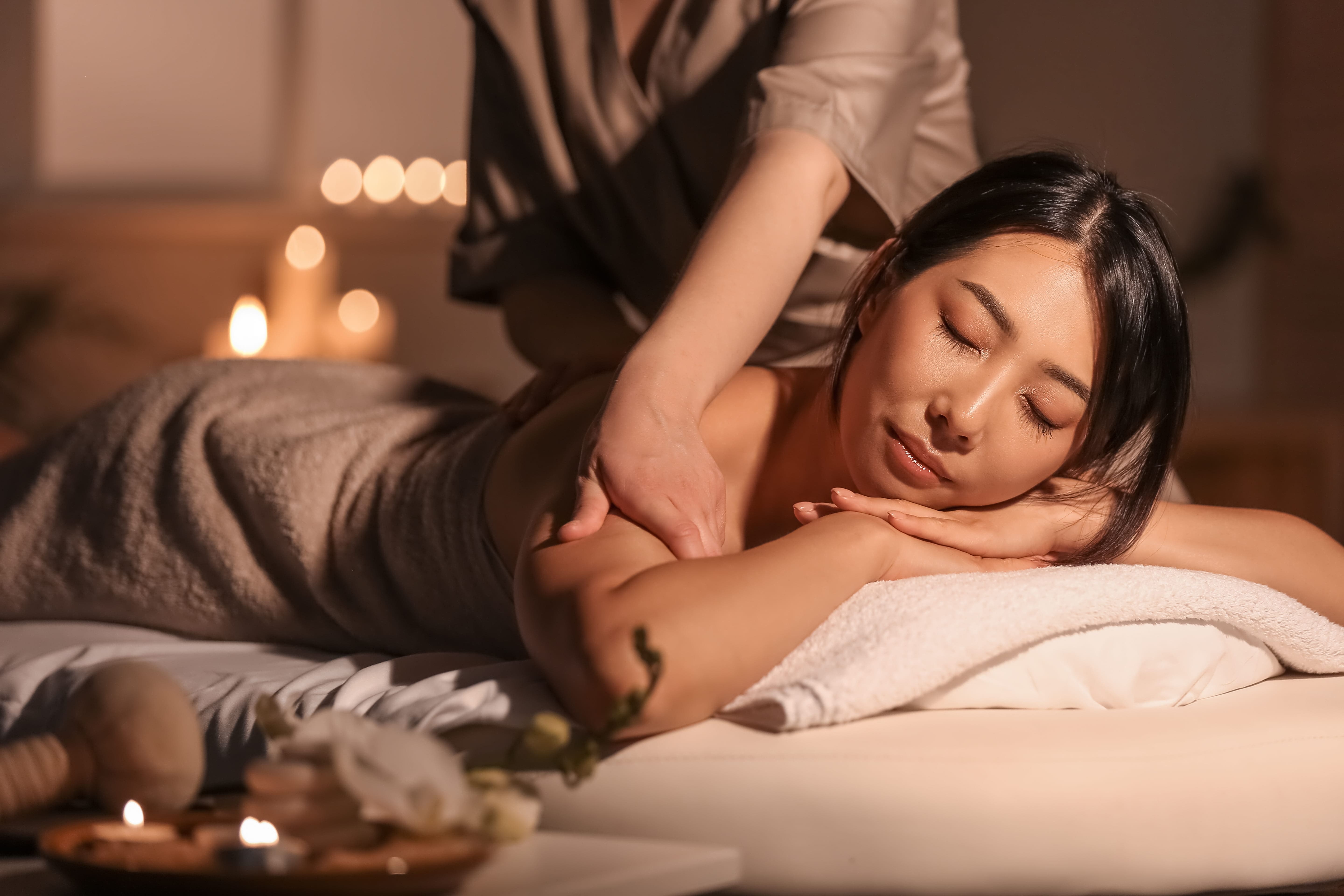
Family massage is less a single treatment than an approach: matching different types of massage to the different people in a household. That can mean professional sessions tailored to each family member or simple, gentle routines shared at home. In practice, massage for family wellness usually spans two settings.
Whatever the setting, comfort comes first. Pressure should always feel pleasant rather than painful, and any health condition calls for extra care. At a spa, a first visit usually starts with a short chat about each person's needs and any health concerns, followed by a session in a calm, private room where the therapist adjusts pressure to suit the individual. At home, the same principle applies: keep it gentle, stop if anything feels uncomfortable, and focus on relaxation rather than force.
Part of what makes massage useful for a family is that it works on two levels at once, physical and mental, and those benefits carry across almost every age.
Massage is widely associated with relaxation. For a parent facing burnout or a child carrying school-related stress, a calm, hands-on session may help ease tension and encourage a sense of settling down, and reviews of massage research point to reduced stress and anxiety for many people. Whether the pressure comes from work deadlines or exam season, the goal is the same: to give the body and mind a chance to settle.
Because massage encourages relaxation, it can fit naturally into a wind-down routine before bed. Some studies suggest massage may support better sleep quality for certain groups, which can help the whole household keep calmer nighttime habits.
Workouts, recreation, and the physical strain of daily routines all leave muscles tired. Massage may help ease temporary muscular tension and support circulation and flexibility as part of a wider recovery routine, which can make everyday movement feel easier and more comfortable the next day.
Lower tension often brings more patience and focus. When the body relaxes, the mind tends to follow, and many people find it easier to handle everyday frustration and anxiety after a session. For a parent juggling a lot, that calmer headspace can make busy days feel more manageable.
The right session looks different for a grandparent, a working adult, and a teenager because their bodies are under different kinds of strain.
Matching the style and pressure to each person is what makes a single visit work for a mixed-age group, so no one leaves either under-treated or sore from too much force.
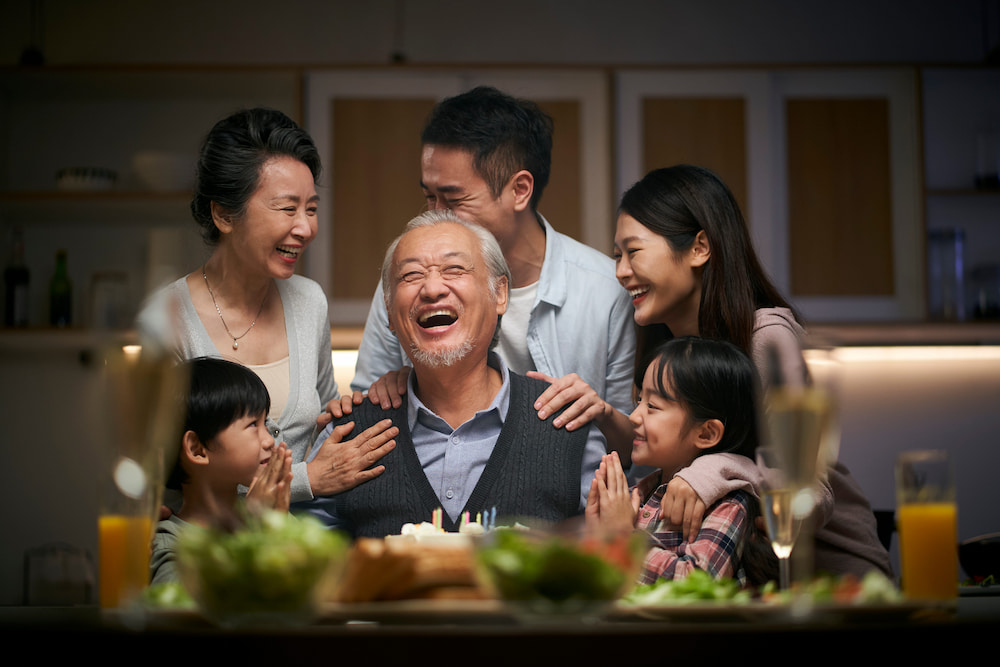
Beyond the physical, shared wellness time has an emotional side. Booking a session together or setting aside a quiet massage routine at home gives families rare downtime away from screens and busy schedules. In those unhurried moments, conversation tends to come more easily, and the simple act of relaxing side by side can build trust and strengthen family relationships. For younger children in particular, gentle and safe touch may help them feel more secure and settled.
That shared time is where the benefits of massage for family bonding and stress relief become easiest to see. In a week pulled apart by separate schedules and individual devices, sitting down together for something calm gives everyone a reason to slow down in the same place at the same time, which is often harder to arrange than it sounds.
Massage suits most people, but not every situation. Check with a doctor first when any of these apply:
Some family members need age- or condition-specific care. Pregnancy, osteoporosis, and diabetes all call for a qualified therapist and, where needed, medical guidance. This information is general in nature and not a substitute for medical advice, so consult a healthcare professional if you are unsure.
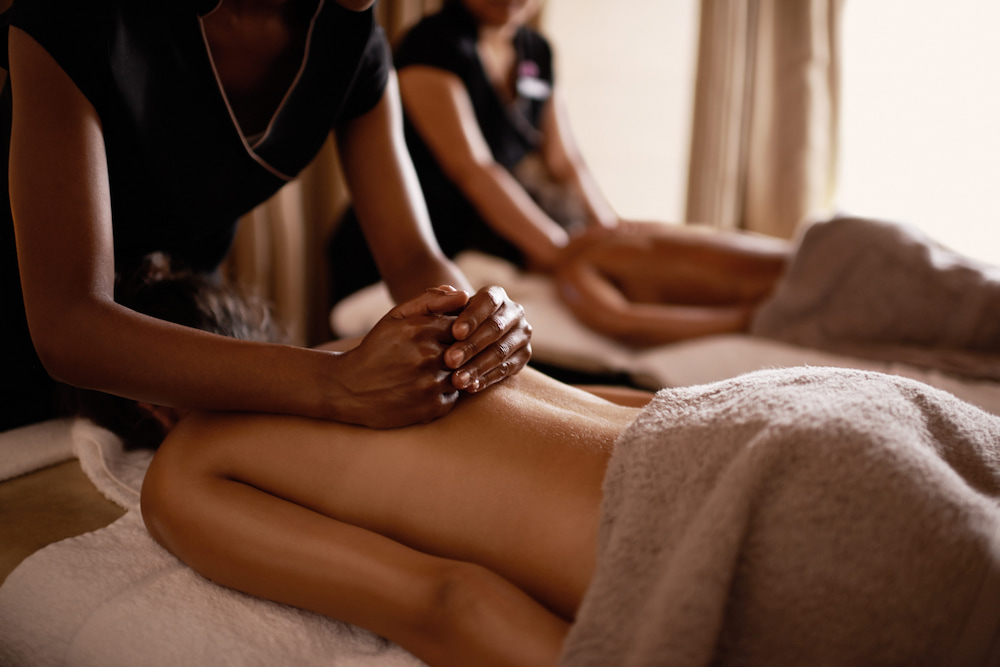
On any given day, family members rarely want the same thing. One person wants to unwind, another is nursing tired muscles, and someone else just needs a quiet hour alone. Health Land Spa & Massage covers that spread, with treatments ranging from gentle relaxation massage to more focused bodywork, handled by experienced therapists in clean, calm rooms. More than 20 years in traditional Thai wellness stand behind that range, and with branches across Bangkok, Pattaya, and Chiang Mai, finding a convenient location is usually simple.
To make a visit something you do together, group and couples suites can be reserved ahead of time, so relatives can share the same private space. A full-body massage package then combines several treatments into one longer session, ideal for a slower afternoon. Branches open daily from 9:00 a.m. to 11:00 p.m., so there is room to plan around school and work. Walk-ins are welcome, but evenings and weekends fill up quickly, especially when several people book at once.
A calm hour together is one of the easier habits for a busy household to keep. Book a session at Health Land and experience the benefits of massage for the whole family, then reserve your time at reservation.healthlandspa.com
References:
Q: What are the types of massage for elderly parents?
A: Gentle, low-pressure styles usually suit older adults best. A light Thai massage, foot reflexology, or a soft oil massage can help ease stiffness and support comfort. Pressure should stay easy, and conditions such as osteoporosis or heart problems call for medical guidance first.
Q: Is massage safe for children?
A: Gentle, age-appropriate massage is generally fine for many children and can help them feel calm and settled. Keep the pressure light, avoid any injured area, and check with a doctor if the child has a health condition.
Q: How often should a family book a massage?
A: It depends on needs and schedules. Some families book monthly for general relaxation, while others go more often during stressful or busy periods. Notice how each person responds and adjust from there.
Q: Can we book a session together as a family?
A: Yes. Many spas offer group or couples suites so family members can share the experience in a private space. Booking ahead helps secure the room and your preferred time.




Share With :