

 05/10/2026 18:08:06
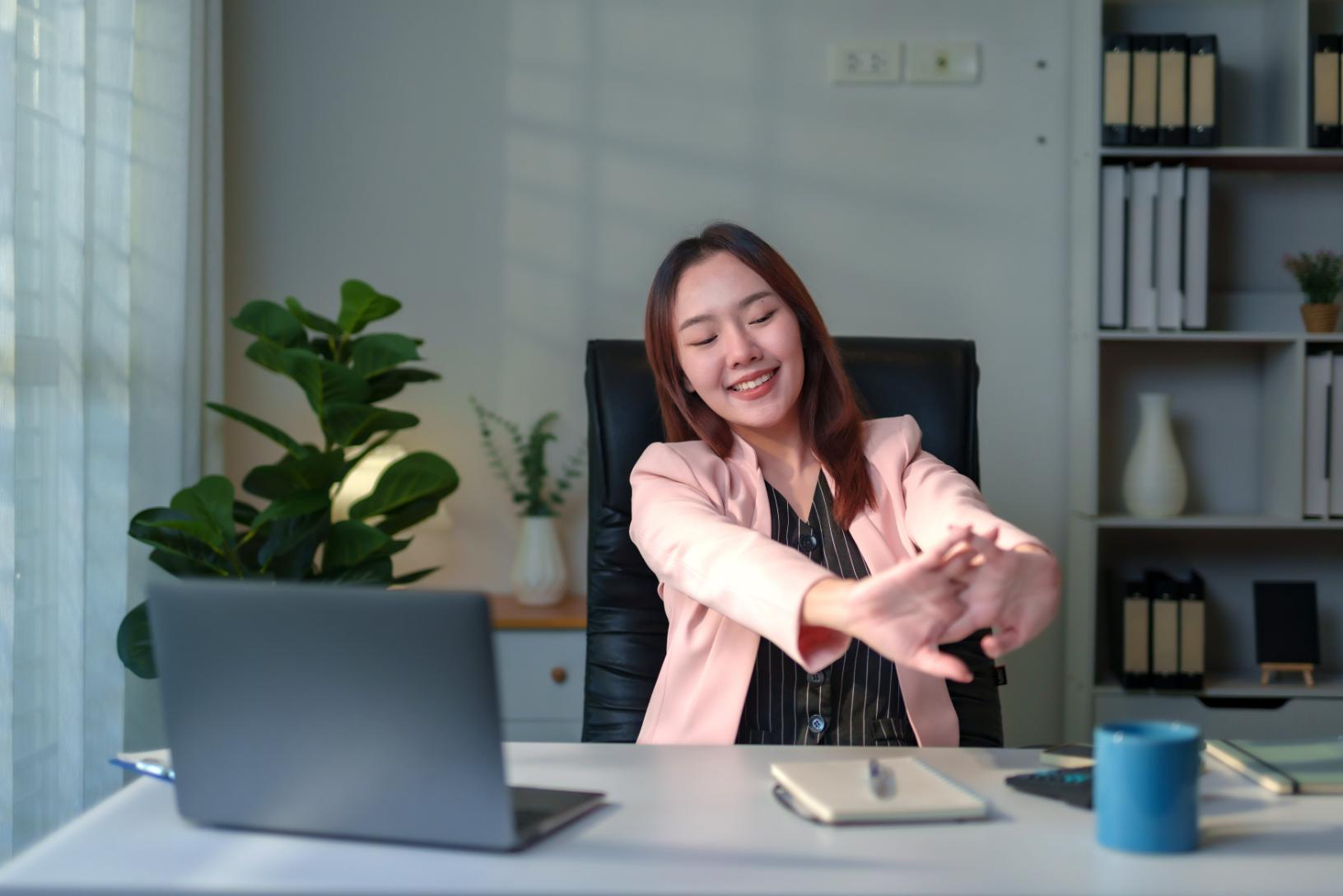
Stress can build quietly, leaving the body tense and the mind constantly switched on. Finding the right activities to reduce stress can create a valuable pause from work, responsibilities, and everyday routines. Different techniques help in various ways, including gentle movement, mindfulness, massages, and restorative spa treatments.
If you want to take a break and manage a stressful day, here are our top suggestions for stress-relieving activities, tips on incorporating them into your daily routine, and how a spa visit can enhance your relaxation. None of this demands a complete change to your schedule; small, carefully selected habits usually have a greater impact over time.
Rather than one universal solution, a mix of active, restorative, and mindfulness-based activities tends to work best, matched to the kind of stress you are actually experiencing:
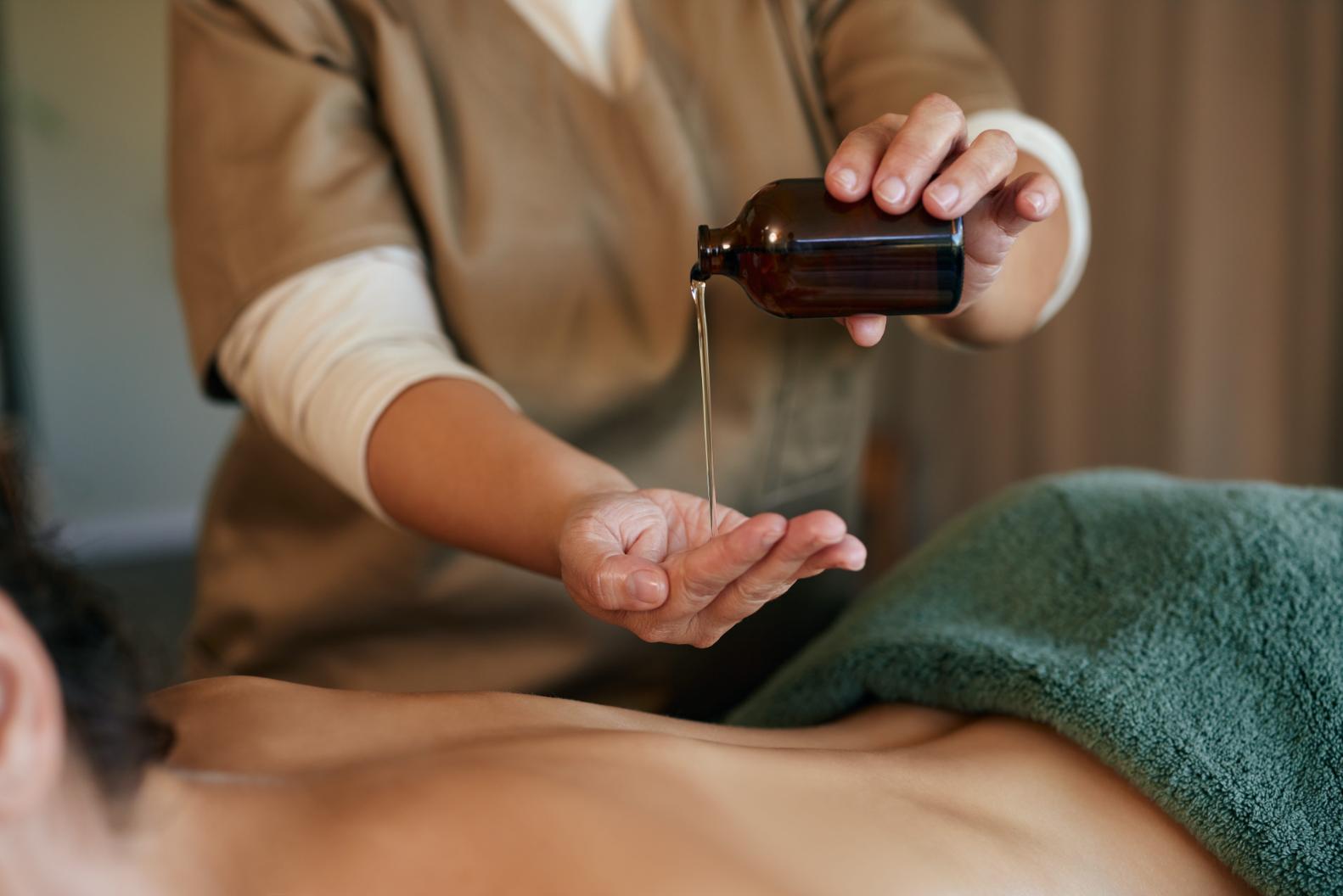
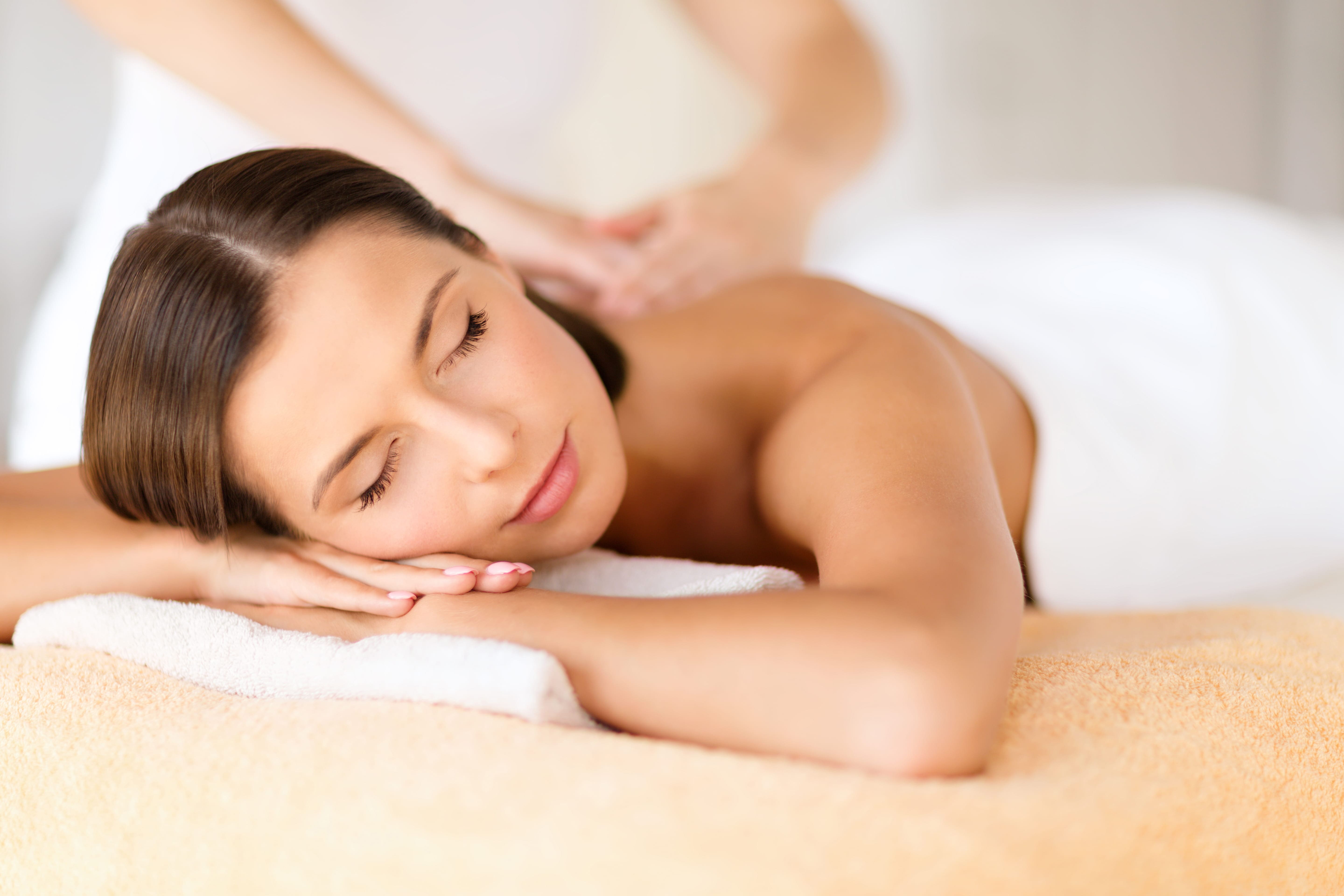
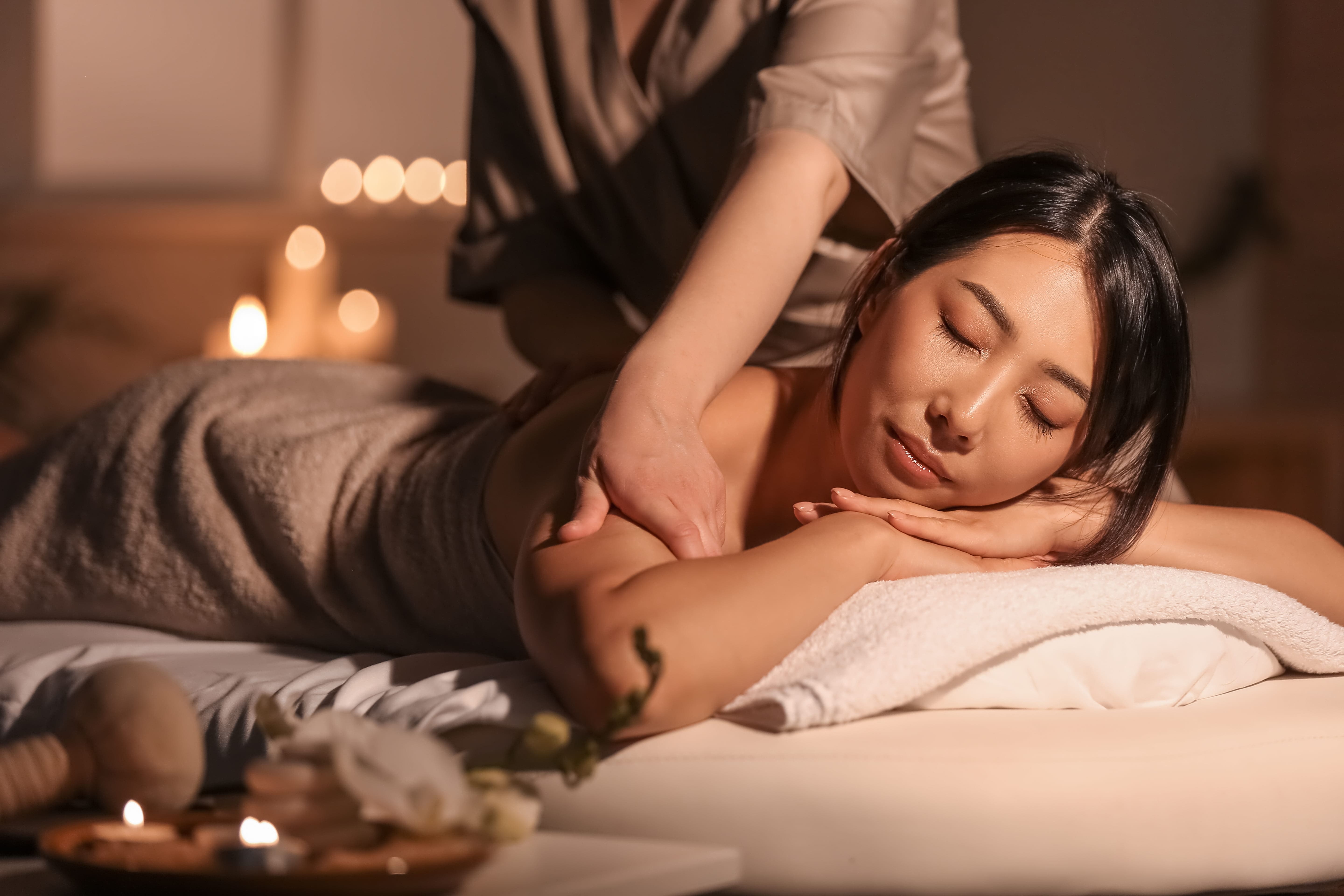
Massage can complement everyday stress management, working alongside improved lifestyle habits like sleep, movement, and nutrition. When choosing a treatment, it helps to think about what you actually need: a muscle-focused massage for physical tension, a gentle option for relaxation, aromatherapy for a calming atmosphere, or a longer treatment if you have the time to spare.
For guests who want to combine several treatments into one intentional relaxation experience, a spa package at Health Land brings multiple elements together in a single visit, rather than having to plan separate sessions. This is particularly helpful during busy times at work or before a trip, when it’s more difficult to find time for multiple separate appointments than to reserve one extended slot.
Research supports massage as a helpful part of managing everyday stress:
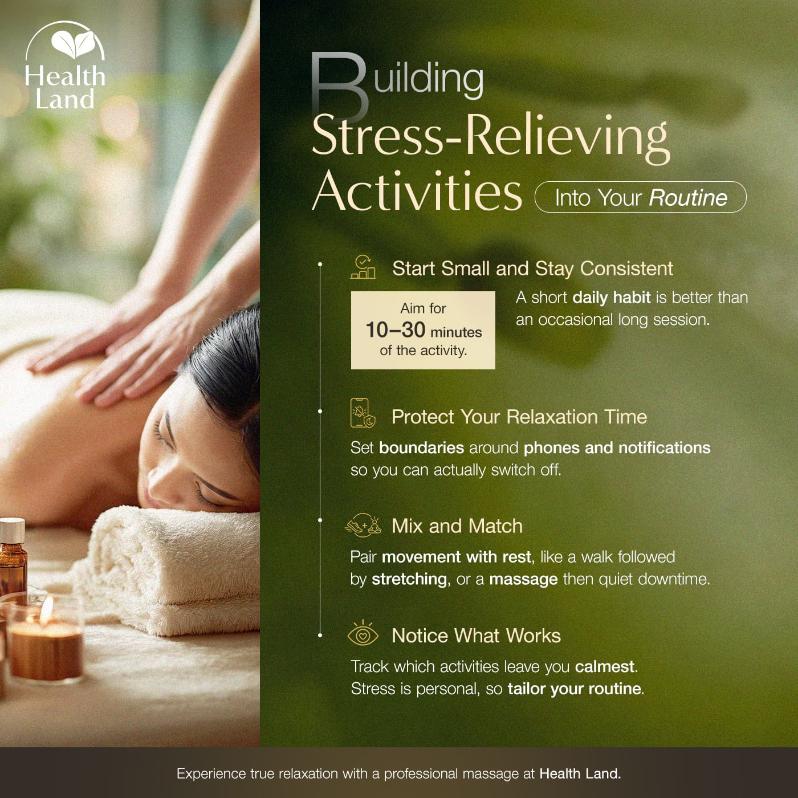
Relaxation tends to work best as a regular part of your routine rather than something you only do once stress feels overwhelming. Even a short weekly habit, whether that is a walk, a stretching routine, or a massage, can help keep everyday tension from building up over time.
However, these activities serve as self-care and are not replacements for professional help. If stress seems constant, intense, or hard to handle by yourself, consulting a doctor or mental health expert is advisable instead of depending solely on relaxation techniques.
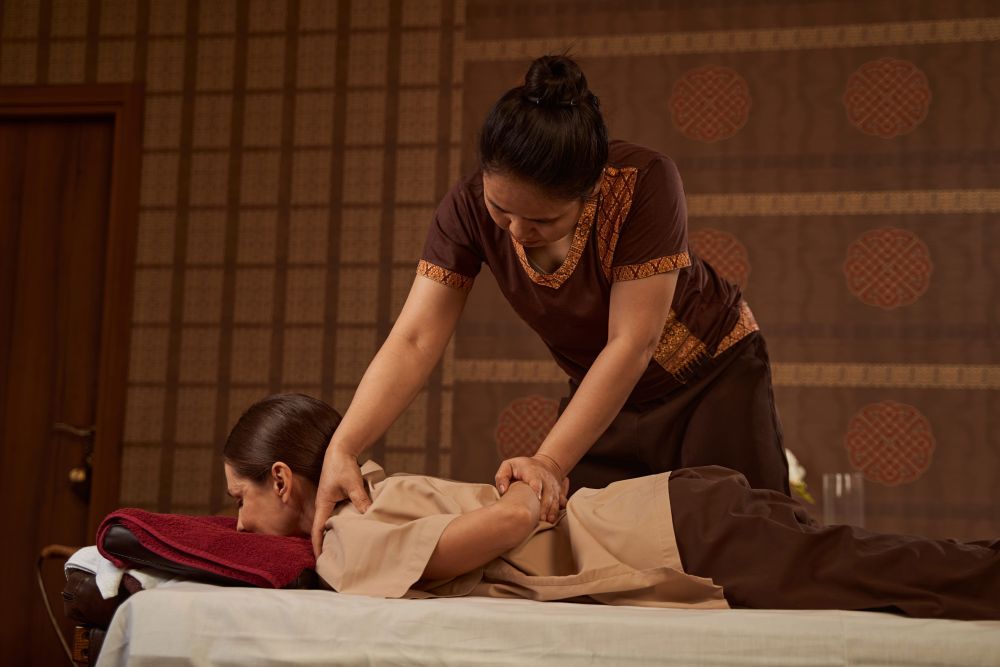
Daily life challenges can build up high levels of stress that can’t be cleared with a walk or a few deep breaths. That is where a longer, hands-off reset earns its place. By combining various treatments, a spa package provides genuine time to disconnect and relax completely. Health Land customizes its packages based on your daily needs, offering everything from deep Thai Massage with Herbal Compress to relieve muscle soreness to softer, soothing treatments tailored to your comfort.
Book your spa package at Health Land Spa & Massage, with branches across Bangkok, Pattaya, and Chiang Mai in Thailand. Walk-ins are welcome, and online reservations are available daily from 9:00 a.m. to 11:00 p.m.
References:
Q: What activities reduce stress the most?
A: It depends on the type of stress you're experiencing: mindfulness and breathing for mental fatigue, massage and gentle movement for physical tension, and time in nature or relaxing hobbies for emotional overwhelm.
Q: What is the best activity for relieving stress quickly?
A: Deep breathing and short mindfulness exercises tend to offer the fastest relief, since they can be done almost anywhere in just a few minutes.
Q: Does massage help reduce stress?
A: Yes. Massage may help ease physical tension and gives you dedicated time to switch off, making it a valuable way to unwind when stress builds up.
Q: What are some simple stress-relieving activities to do at home?
A: Stretching, deep breathing, reading, listening to music, and a warm bath are all accessible, screen-free ways to unwind without leaving the house.
Q: How often should I do stress-relieving activities?
A: Making them a regular habit, even in short sessions a few times a week, tends to work better than waiting until stress feels overwhelming.




Share With :