

 16/09/2026 14:26:50
Key Takeaways
Recovery matters just as much as training, and sports recovery massage is one of the most common ways active people manage soreness, stiffness, and fatigue after exercise. Depending on your needs, massage for sports recovery might mean Traditional Thai Massage for tight muscles, Aromatherapy Body Massage for a gentler reset, or Thai Herbal Compress Massage for deeper soreness. For sore feet after a long run, a foot massage near Thonglor session at Health Land is worth considering.
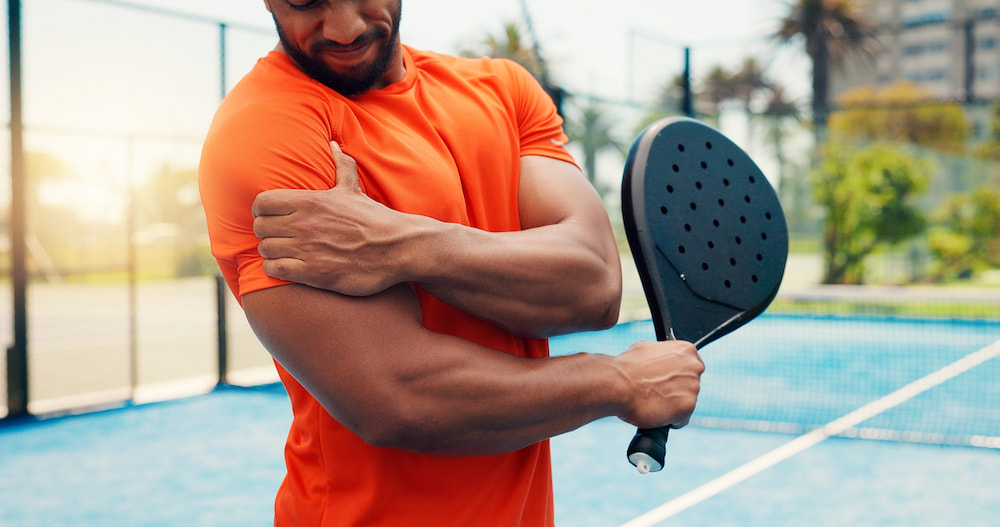
Training hard is only half the equation. What you do after a workout, a match, or a long run matters just as much for performance and injury prevention, yet recovery is often the first thing to get skipped when life gets busy. Muscle soreness, stiffness, fatigue, and reduced mobility are common complaints for anyone who trains regularly, whether that's a weekend runner or a competitive athlete. Sports recovery treatments have grown more popular among athletes, runners, gym-goers, and fitness enthusiasts who want to feel ready for the next session rather than just surviving it. This guide covers what to know about massage for sports recovery, how sports massage recovery therapy actually works, and which of Health Land's treatments can support an active lifestyle.
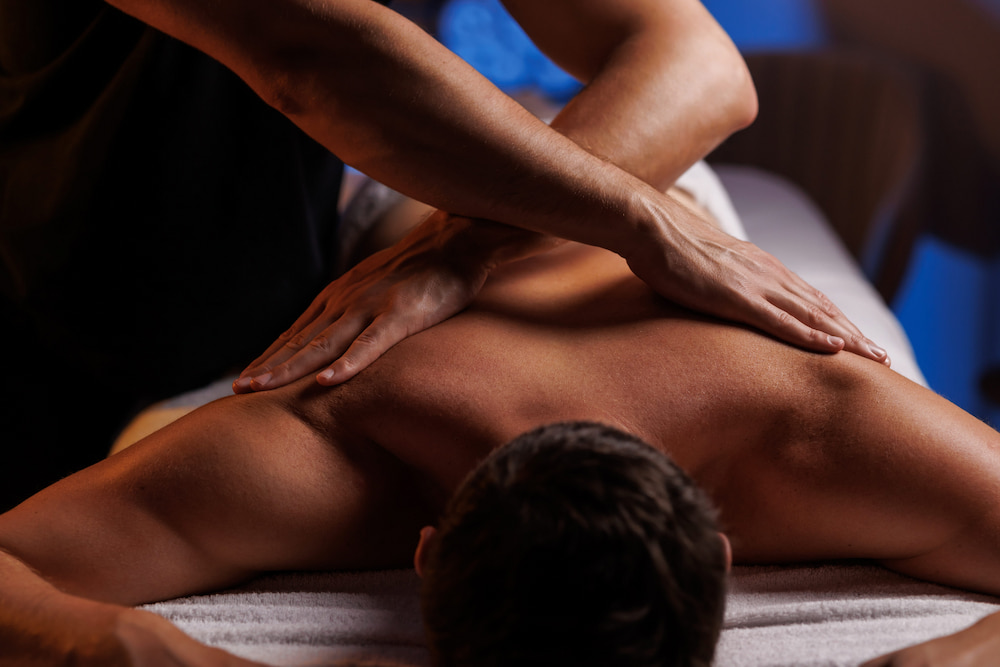
Sports recovery massage refers to massage techniques used to support people who train or exercise regularly, rather than a single named treatment. The main goals are to ease muscle soreness, help restore mobility, support soft tissue recovery, and help the body feel ready for the next training session. It typically combines a few techniques.
A review of sports massage research found it is most commonly used by athletes and therapists around three points in training: before competition, after intense exercise, and as part of ongoing rehabilitation. On the science side, a large meta-analysis found that massage does not significantly improve measures like sprint speed, jump height, strength, or endurance, but it does show a small improvement in flexibility and a modest benefit for delayed onset muscle soreness, the ache that shows up a day or two after a hard session. Beyond the physical side, many people also find the session itself supports mental recovery, since a slower pace and focused touch can ease stress after intense training. This kind of massage is also widely used among competitive athletes specifically to support recovery from muscle fatigue after training, according to research published via the National Institutes of Health.
Timing matters almost as much as technique. Massage tends to be used at three different points.
A lighter session before competition can help muscles feel prepared and support flexibility, without leaving you too relaxed to perform.
After intense activity, a more relaxation-focused session can help ease feelings of heaviness and soreness once the effort is behind you.
Regular sessions spaced throughout the year help catch tight areas before they turn into bigger problems, supporting movement quality over time.
Which point in the cycle you book for depends on what you're training for and how your body is feeling at the time, rather than a fixed schedule everyone should follow.
Health Land doesn't offer a single named sports massage, but a few of its regular treatments suit an active lifestyle particularly well, depending on what your body needs.
Traditional Thai Massage: a good option for tight muscles, limited flexibility, and general recovery after repetitive movement.
Aromatherapy Body Massage: suited to guests who want both physical recovery and a more relaxing session.
Thai Herbal Compress Massage: often chosen for general soreness, muscle fatigue, and joint stiffness after intense training.
Foot Massage: a practical choice for runners, walkers, and anyone who spends long hours on their feet. You can book a foot massage near Thonglor at our Asoke branch to target sore feet and calves after a long run or a day of training.
Which treatment suits you best usually comes down to how sore or tight you're feeling, and whether you want a firmer, more targeted session or something gentler.
How often you book depends on your training load and lifestyle.
General fitness enthusiasts: roughly every 2 to 4 weeks tends to work well for everyday recovery.
Active athletes and competitive participants: weekly or biweekly sessions are common during intense training blocks.
Beyond training volume, things like sleep quality, stress levels, and any previous injuries also play a role in how often a session actually helps.
Massage isn't the right choice in every situation. According to the National Institute of Arthritis and Musculoskeletal and Skin Diseases, sports injuries generally fall into two categories, sudden acute injuries and gradual overuse injuries, and severe cases need a health care provider rather than home or spa treatment.
As a general rule, hold off on a sports recovery massage if you have an acute injury, a fever or illness, or significant inflammation. If you've had recent surgery, get medical clearance from your doctor before booking a session.
Recovery is just as much a part of athletic performance as training itself, and the right massage depends on your goals, how sore you're feeling, and your own preferences on the day.
Health Land's therapists are trained in Thai therapeutic techniques and offer a range of recovery-friendly treatments, including Traditional Thai Massage,
Aromatherapy Body Massage, Thai Herbal Compress Massage, and Foot Massage. Sessions take place in clean, comfortable spa settings across Thailand, and the approach suits everyone from casual exercisers to serious athletes.
Whether you're preparing for your next training session or recovering from your last one, Health Land offers massage treatments that support how you move, recover, and feel. Book your session at Health Land Spa & Massage, with branches across Bangkok, Pattaya, and Chiang Mai in Thailand. Walk-ins are welcome, and online reservations are available daily from 9:00 a.m. to 11:00 p.m.
References:
Q: Is sports massage or deep tissue massage better for recovery?
A: Both target sore or tight muscles, but they're not quite the same. Sports massage recovery therapy usually combines lighter techniques like effleurage with deeper work depending on how you're feeling, while deep tissue massage focuses more consistently on releasing tension in deeper muscle layers. Many guests find a blend of both works best, depending on how intense their training has been.
Q: How often should you get a sports recovery massage?
A: General fitness enthusiasts often do well with a session every 2 to 4 weeks, while competitive athletes may book weekly or biweekly during intense training blocks. Your ideal frequency depends on training volume, sleep, stress, and any past injuries.
Q: Is it okay to get a sports recovery massage before a competition or event?
A: Yes, many athletes book a lighter pre-event session to help muscles feel prepared and support flexibility. The goal is to feel ready, not overly relaxed, so pre-event sessions are usually shorter and less intense than a post-event massage.
Q: Can I get a sports recovery massage if I have an injury?
A: It depends on the injury. Acute injuries, fever or illness, and significant inflammation are reasons to hold off, and recent surgery needs medical clearance first. For general soreness and stiffness without an active injury, massage is generally fine.






Share With :